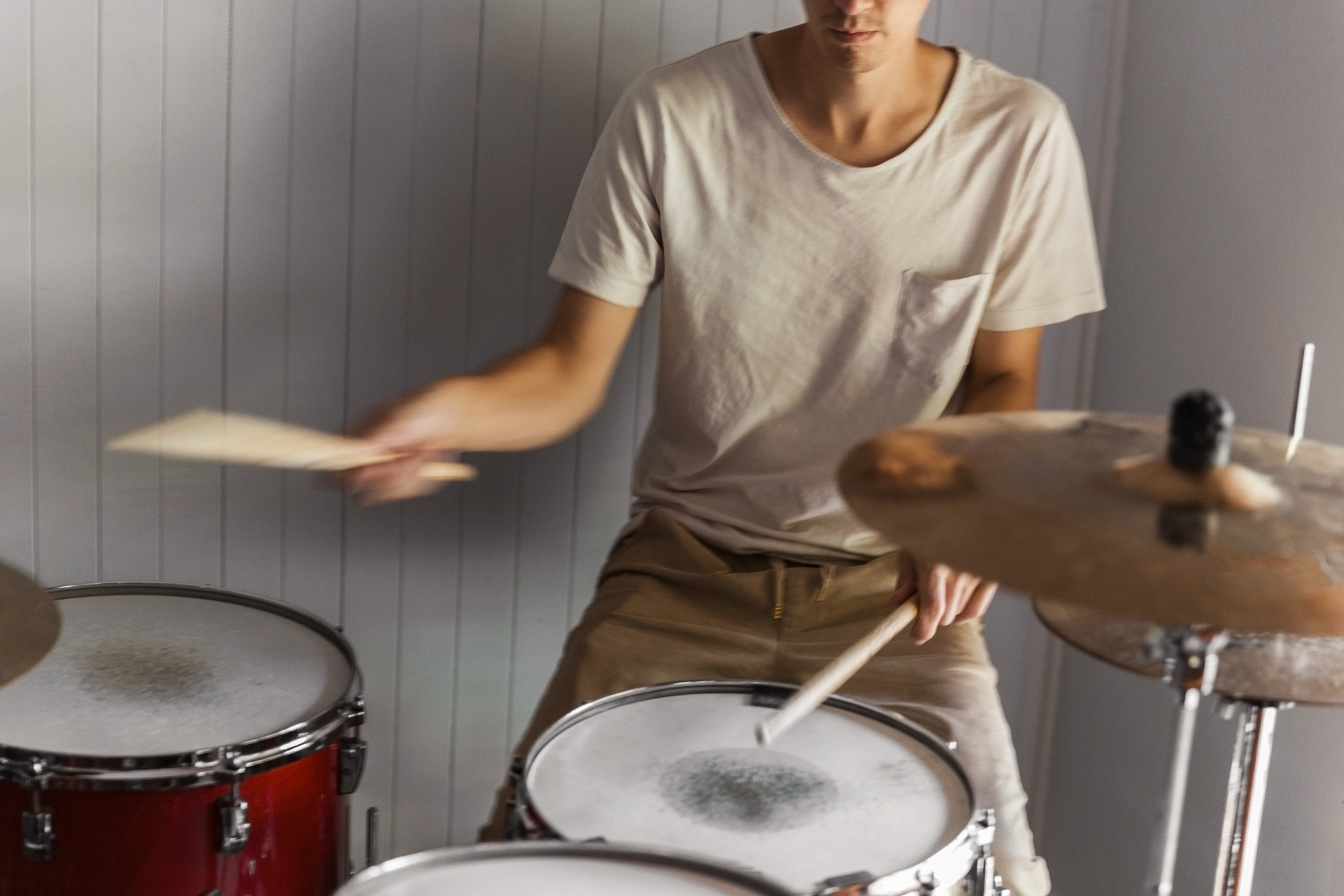
11 Best Drum sets For Beginners in 2025
Buying your first drum set is overwhelming. There are shells, hardware, cymbals, pedals, thrones, and a wall of jargon that makes the whole process feel harder than it needs to be. The good news: beginner drum sets have improved dramatically over the past few years, and you can get a genuinely good-sounding kit without spending a fortune.
This guide covers eleven kits across a range of budgets and styles. Some are complete packages where you open the boxes and start playing. Others are shell packs that give you better drums but require separate hardware and cymbal purchases. We will break down which approach makes sense for different situations.
How to Choose a Beginner Drum Set
Before looking at specific kits, answer three questions:
1. What is your budget? Beginner drum sets fall into three tiers. Under $500 gets you a functional starter kit. The $500-$800 range is where quality jumps noticeably — better shells, sturdier hardware, and included cymbals that do not sound like trash can lids. Above $800, you are getting kits that many working drummers would happily gig with.
2. Where will you play? If you live in an apartment or share walls with neighbors, an electronic drum set or a kit with built-in muting (like the Donner DDS-520) will save you from noise complaints. If you have a basement, garage, or dedicated room, acoustic is the way to go.
3. Complete kit or shell pack? A complete kit includes everything — drums, hardware, cymbals, pedals, throne, sticks. You unbox it and play. A shell pack includes only the drums. You buy hardware and cymbals separately, which costs more upfront but lets you choose better components. For most first-time buyers, a complete kit makes more sense. If you already own some hardware or plan to invest in quality cymbals from the start, a shell pack gives you more flexibility.
What Makes a Cheap Kit Different from a Good One
The difference between a $200 kit and a $700 kit is not subtle. Here is what actually changes as you spend more:
- Shell construction. Cheap kits use thin, poorly shaped shells that go out of round and cannot hold a tune. Better kits use consistent plies of poplar, birch, or maple with proper bearing edges.
- Hardware. Budget kits ship with single-braced stands that wobble and strip. Mid-range kits use double-braced hardware that stays put. This matters more than most beginners realize.
- Drum heads. Stock heads on cheap kits are often the weakest link. Upgrading to Remo or Evans heads is one of the single biggest improvements you can make to any beginner kit.
- Cymbals. The included cymbals on most beginner kits are the first thing you will want to replace. They work for practice, but they lack dynamics and can sound harsh when you dig in.
The 11 Best Beginner Drum Sets
1. Pearl Roadshow 5-Piece Rock Kit — Best Overall Beginner Kit
The Pearl Roadshow has been the default recommendation for beginner drummers for years, and it still earns that spot. Pearl’s poplar shells produce a full, open tone with decent projection. The rock configuration gives you a 22” bass drum, 12” rack tom, 14” and 16” floor toms, and a 14” snare — a versatile setup that works for rock, pop, funk, and most other styles.
What sets the Roadshow apart from cheaper alternatives is the included hardware. You get 500-series double-braced stands, a bass drum pedal, hi-hat stand, cymbal stands, and a drum throne. The cymbals are basic but functional for practice. The whole package arrives ready to play.
The main weaknesses are the stock drum heads and cymbals. Both are serviceable but will benefit from upgrades once you are ready. Replacing the batter heads with Remo Pinstripes or Evans G2s will transform the sound.
Price: Around $700-$800 depending on configuration. Check current pricing on Amazon.
Best for: First-time adult drummers who want a complete, no-guesswork setup from a trusted brand.
2. Pearl Roadshow 5-Piece Fusion Kit — Best Budget Complete Kit
The Fusion version of the Roadshow uses smaller toms (10” and 12” rack toms, 14” floor tom) and a 20” bass drum. The smaller sizes make it easier to fit in tight spaces and produce a tighter, more controlled sound that works well for jazz, R&B, and lighter pop styles.
Like the Rock version, it comes with everything you need: hardware, cymbals, pedals, throne, and sticks. The same 500-series hardware and poplar shells keep the quality consistent across the Roadshow line.
If you are not sure whether you want a rock or fusion setup, the fusion kit is the safer bet. The smaller sizes are more forgiving in bedrooms and practice rooms, and the sound translates well to almost any genre.
Price: Around $700. Check current pricing on Amazon.
Best for: Beginners who want a complete kit with a slightly more compact footprint.
3. Pearl Roadshow Jazz Kit — Best for Jazz Players
Pearl makes a jazz-specific configuration of the Roadshow with an 18” bass drum, 10” and 12” toms, and a 14” snare. The smaller bass drum gives you the quick, articulate attack that jazz demands, and the overall kit footprint is noticeably smaller than the rock or fusion versions.
The trade-off is projection. An 18” kick will not fill a large room the way a 22” does, so this is best for small venues, practice rooms, and recording situations where you want control over dynamics. The included cymbals are the weakest link — jazz playing demands responsive, dynamic cymbals, and these are not that. Budget for a set of Zildjian or Sabian cymbals early on.
Price: Around $600-$700. Check current pricing on Amazon.
Best for: Beginners specifically interested in jazz, bossa nova, or lighter musical styles.
4. Pearl Roadshow New Fusion Kit — Reliable All-Rounder
The New Fusion sits between the standard Fusion and Rock configurations. It shares the same poplar shells and 500-series hardware as the rest of the Roadshow line, with a setup designed to be versatile across styles.
This is a solid pick if you are unsure what genre you will gravitate toward. The shells respond well to different tunings — tune them low for rock, tighten them up for funk or jazz. Like all Roadshow kits, expect to eventually upgrade the heads and cymbals, but the drums themselves will serve you well for years.
Price: Around $700. Check current pricing on Amazon.
Best for: Beginners who want flexibility across multiple genres.
5. Ludwig Questlove Breakbeats — Most Portable
Designed by Roots drummer Questlove, the Breakbeats kit is a compact 4-piece set with a 16” bass drum, 10” rack tom, 13” floor tom, and a 14” snare. The 7-ply hardwood shells produce a surprisingly full, warm tone — especially when tuned low with some dampening. Many drummers describe the sound as vintage and fat, reminiscent of 1970s recordings.
The compact size makes this ideal for small apartments, cramped stages, and drummers who transport their kit frequently. It ships with gig bags for every shell, which is a thoughtful touch.
The catch: this is a shell pack. No hardware, no cymbals, no pedals. You need to buy all of that separately, which adds $300-$500 to the total cost. The bass drum also requires a riser (included) since the 16” diameter sits too low for a standard pedal.
Price: Around $400-$500 for shells only. Check current pricing on Amazon.
Best for: Drummers in apartments, small gig spaces, or anyone who needs a portable kit that sounds better than its size suggests.
6. Tama Imperialstar — Best Kit for Serious Beginners
The Tama Imperialstar is where beginner drum sets start to feel genuinely professional. The poplar shells are well-constructed with consistent bearing edges, and the double-braced hardware is noticeably sturdier than what you find on kits under $700.
The standout feature is the included Meinl HCS cymbals — 14” hi-hats, 16” crash, and 20” ride, plus a bonus 10” splash. These are still entry-level cymbals, but they sound significantly better than the generic brass cymbals bundled with cheaper kits. The Percussive Arts Society recommends starting with quality cymbals, and the Meinl HCS line is a reasonable starting point.
The Imperialstar costs more than the Pearl Roadshow, but you get better hardware, better cymbals, and a kit that many experienced drummers use as a touring set because it sounds good and can take a beating.
Price: Around $900-$1,000. Check current pricing on Amazon.
Best for: Beginners with a bigger budget who want a kit they will not outgrow quickly.
7. Pearl Export — Best Shell Construction
The Pearl Export is one of the most recorded drum kits in history. It has appeared on countless albums since the 1980s, and the current version continues that legacy with superior shell technology. The SST (Superior Shell Technology) construction uses select hardwood plies for a punchy, resonant sound.
This is a shell pack — no cymbals included — so factor in the cost of hardware and cymbals. The shells themselves are a clear step up from the Roadshow, with better projection and tuning range. The included bass drum pedal is solid, and the tom mounts use a robust ball-joint design.
If you are willing to invest in separate cymbals and hardware, the Export gives you drums that will last through your entire progression from beginner to intermediate to gigging player.
Price: Around $700-$900 for shells and some hardware. Check current pricing on Amazon.
Best for: Beginners who plan to invest in quality cymbals separately and want drums that punch above their weight.
8. Gretsch Catalina Birch — Best Sound Quality for Beginners
Gretsch is known for warm, musical drums, and the Catalina Birch delivers that character at a beginner-friendly price. The 7-ply birch shells produce bright highs and solid low-end, with more tonal character than poplar-shell kits at similar prices.
This is a shell pack with a 20” bass drum, 10” and 12” toms, 14” floor tom, and a 14” snare. The natural shell interiors add to the resonance. Like other shell packs at this level, you will need hardware and cymbals — check out cymbal packs from Zildjian or Sabian for budget-friendly options.
The Catalina Birch is easy to tune, sounds great in recording situations, and looks professional with its available finishes. It is pricier than most beginner sets, but the sound quality justifies the investment if your budget allows.
Price: Around $800-$1,000 for shells. Check current pricing on Amazon.
Best for: Beginners who prioritize sound quality and plan to record or gig with their first kit.
9. Mendini by Cecilio — Best Junior Drum Set
For young drummers (roughly ages 3-8), the Mendini is one of the most affordable entry points. It is a scaled-down 5-piece kit with everything included: drums, cymbals, hardware, pedal, throne, and sticks. At well under $300, it lets a child try drumming without a major financial commitment.
The quality reflects the price. The hardware is lightweight, the drum heads are basic, and the cymbals are thin. But for a child who is still figuring out whether drumming is their thing, that is perfectly fine. The shells actually sound decent for the money, and the kit looks like a real drum set, which matters to kids.
Do not expect this to last through serious practice over several years. It is a starter instrument, and that is its purpose.
Price: Around $150-$250. Check current pricing on Amazon.
Best for: Young children trying drums for the first time.
10. Ludwig Accent Drive — Best Gigging Kit on a Budget
The Ludwig Accent Drive is a complete 5-piece kit with hardware and cymbals included. The 5-ply select hardwood shells produce a warm tone with good sustain, and the pedals are well-balanced — something that many budget kits get wrong.
Ludwig includes functional cymbals that work for practice and casual gigs, though like most kits at this price, the cymbals will be the first upgrade you make. The snare has a satisfying crack, and the toms respond well to different tunings.
One drawback: the included throne is not height-adjustable on some models, which can be uncomfortable for taller players. Budget for a proper drum throne if needed.
Price: Around $600-$700. Check current pricing on Amazon.
Best for: Beginners who want a complete, gig-ready kit from a legendary brand without spending over $700.
11. Gretsch Catalina Maple — Best Warm, Powerful Sound
The Catalina Maple is the premium pick on this list. Maple shells deliver a warm, full sound with excellent resonance and a wide tuning range. The Walnut Glaze finish looks stunning, and the mounting hardware is a step above anything else in this price range, including a double tom holder with integrated cymbal mount.
This is a shell pack, so hardware and cymbals are extra. The maple construction means these drums sound good across a wide dynamic range — they respond to light touch as well as they do to hard hitting.
The only real downside is the tom mount design, which holds toms using only two lugs. This can limit positioning options. Otherwise, this is a drum set that will grow with you from first lesson to first album.
Price: Around $900-$1,100 for shells. Check current pricing on Amazon.
Best for: Beginners with a serious budget who want drums that sound warm, project well, and look professional.
Complete Kit vs. Shell Pack: A Quick Comparison
| Feature | Complete Kit | Shell Pack |
|---|---|---|
| What is included | Drums, hardware, cymbals, pedals, throne, sticks | Drums only |
| Additional cost | None (ready to play) | $300-$600+ for hardware, cymbals, throne |
| Quality of components | Mixed (drums decent, cymbals/hardware basic) | Higher quality drums, you choose your own peripherals |
| Best for | True beginners, budget-conscious buyers | Players who want to invest in quality pieces over time |
| Examples from this list | Pearl Roadshow, Tama Imperialstar, Ludwig Accent | Ludwig Breakbeats, Pearl Export, Gretsch Catalina |
Acoustic vs. Electronic: Which Is Better for Beginners?
Both work. The choice comes down to your living situation and goals.
Acoustic drums give you the real feel of striking a drumhead, the physical feedback of a bass drum pedal, and the natural overtones that teach you about dynamics and tuning. If you have the space and your household can tolerate the volume, acoustic is the traditional path for a reason.
Electronic drums let you practice with headphones at any hour. Modern mesh-head kits from brands like Alesis, Roland, and Yamaha have improved dramatically in feel and sound quality. Many include built-in lesson modes and Bluetooth connectivity for playing along with music. The trade-off is that electronic kits do not fully replicate the rebound and dynamic response of acoustic drums, so practice on acoustic surfaces periodically if you can.
If you go electronic, look for all-mesh pads (not rubber), a responsive kick pedal, and a module with at least 200+ sounds. The Alesis Nitro Max (around $450) is one of the best entry points right now.
What to Know About Shell Woods
The three most common woods in beginner drum shells each have a distinct character:
Poplar is the standard for budget kits. It produces a balanced, warm sound and is affordable to manufacture. Most kits under $700 use poplar shells. It is not as resonant as birch or maple, but it sounds perfectly good for practice and learning.
Birch is the most popular shell wood across all price ranges. It is abundant, relatively affordable, and produces a focused sound with strong highs and solid low-end. Birch shells project well, which makes them good for live playing. Kits like the Gretsch Catalina Birch showcase what this wood can do at a beginner-friendly price.
Maple is a harder, denser wood that produces a warm, even tone with the widest tuning range of the three. Maple shells resonate beautifully and sound great at any volume. The downside is they cost more and do not project as forcefully as birch in loud stage environments.
For most beginners, the shell wood matters less than proper tuning and good drum heads. A well-tuned poplar kit with quality heads will outperform a poorly tuned maple kit every time.
Drum Set Sizes for Beginners
Adults (taller than 5 feet) can play any standard adult drum set comfortably. The standard 5-piece configuration with a 20” or 22” bass drum is the most versatile starting point.
Children and smaller players (under 5 feet) should look at junior drum sets. These use scaled-down shell sizes so that younger players can reach the bass drum pedal and cymbals from the throne. Junior kits typically have a 16” bass drum, smaller toms, and a compact snare. Most children can transition to a full-size kit around age 11-12, depending on their height.
Size matters more than age. A tall 8-year-old might be fine behind an adult kit, while a shorter 10-year-old might need the junior configuration. Always test reach before buying.
Frequently Asked Questions
Are drum practice pads good for beginners?
Absolutely. A practice pad is one of the best investments any drummer can make, beginner or otherwise. Pads let you work on rudiments, hand technique, and stick control without the volume of a full kit. They cost $20-$50 and are essential for building speed and consistency.
Single-sided pads work well if you already have a drum set to practice on. Double-sided pads (one rubber side, one harder side) are popular with students because they offer two different rebound feels. The Evans RealFeel 2-Sided Pad is a solid choice, as is the Vic Firth 12” Single-Sided. For a broader selection, see our guide to the best drum pads.
How much should I spend on my first drum set?
Budget $300-$1,000 depending on your commitment level. If you are testing whether drumming is for you, a complete kit in the $500-$700 range (like the Pearl Roadshow) gives you solid quality without overspending. If you are confident you will stick with it, spending $800-$1,000 on a kit like the Tama Imperialstar or Gretsch Catalina means you will not need to upgrade for a long time.
Used kits are another smart option. A secondhand Pearl Export or Tama Imperialstar in good condition can save you 30-50% off retail. Check local listings on Craigslist, Facebook Marketplace, and Reverb.com before buying new.
Is it OK to learn drums on an electronic kit?
Yes. Electronic kits are a legitimate way to learn drumming fundamentals. The main advantages are volume control (play with headphones at 2 AM), built-in metronomes and lesson modes, and easy recording. The main disadvantage is that rubber or mesh pads do not feel exactly like real drumheads, which can affect your technique when you eventually sit behind an acoustic kit.
The practical advice: if an electronic kit is the only way you can practice regularly, get one. Consistent practice on an electronic kit beats occasional practice on an acoustic kit. Just make sure to play acoustic drums when you get the opportunity, so you develop a feel for real heads and cymbals.
How long does a drum set last?
With proper care, drum shells last decades. The components that wear out are:
- Drum heads: Replace every 6-12 months with regular playing. Fresh drum heads make the biggest difference in sound quality.
- Cymbals: Last 20-30 years with reasonable use. Cracking usually comes from poor technique (hitting too hard at a bad angle) rather than age.
- Drumsticks: Expect 3-5 hours of playing per pair of wooden sticks. Carbon fiber sticks last significantly longer but cost more.
- Hardware: Good double-braced stands and pedals last many years. Budget single-braced hardware wears out faster.
When should a child start drum lessons?
Most drum teachers recommend starting formal lessons between ages 6 and 7. At this age, children generally have the focus and coordination to learn basic rhythms and stick control. Before that, let them explore rhythm informally — banging on pots, clapping along to music, playing with toy percussion instruments.
When your child starts lessons:
- Start with a properly sized kit (junior if they are under 5 feet tall)
- Encourage daily practice, even if it is just 10-15 minutes
- Always protect their hearing — get them isolation headphones or ear protection from day one
- Let them pick songs they enjoy to play along with
How long does it take to learn drums?
Expect roughly 10-12 months to become comfortable with basic beats, fills, and coordination. Within 18-24 months of consistent practice, most beginners can play along to songs confidently and hold a groove in a band setting.
The key variables are practice frequency (30 minutes daily minimum for beginners), quality of instruction, and how structured your practice routine is. A metronome is your most important practice tool — it builds the internal sense of time that separates good drummers from everyone else.
Can you practice drums without a kit?
Yes, and you should. Some of the most effective practice does not require a drum set:
- Practice pads replicate the feel of a drumhead and let you work on rudiments quietly. See our practice pad guide for recommendations.
- Pillows and cushions provide minimal rebound, which forces your hands to work harder. When you return to a real drum, everything feels lighter and faster.
- Air drumming with sticks builds familiarity with stick weight and develops coordination between your hands and feet.
- Body percussion helps internalize rhythm and develops independence between limbs.
Do I need to read music to play drums?
You do not need to, but learning to read drum notation is highly recommended. Unlike melodic instruments where you need to read pitches, drum notation maps directly to physical objects on your kit — it is more intuitive than most beginners expect.
Reading drum music helps you count rhythms accurately, understand how patterns fit together, and communicate with other musicians. Most drum lesson books and online courses use standard notation, so basic reading ability opens up a much wider range of learning resources. The Vic Firth website offers free educational resources for learning drum notation.
Our Top Picks
The Pearl Roadshow Rock Kit remains our top overall recommendation. It delivers the best combination of sound quality, included hardware, and value. The 500-series hardware is surprisingly good for a beginner kit, and the poplar shells respond well to head upgrades down the road.
For portability and small spaces, the Ludwig Questlove Breakbeats offers remarkable sound from a compact footprint. Just budget for hardware and cymbals on top of the shell pack price.
For serious beginners willing to invest, the Tama Imperialstar is the kit you will not outgrow. The included Meinl cymbals, double-braced hardware, and professional aesthetics make it a genuine long-term instrument.
If you are still deciding between acoustic and electronic, check our guide to the best electronic drum sets under $1,000. And once you have your kit set up, investing in quality overhead microphones will let you capture your playing and track your progress over time.