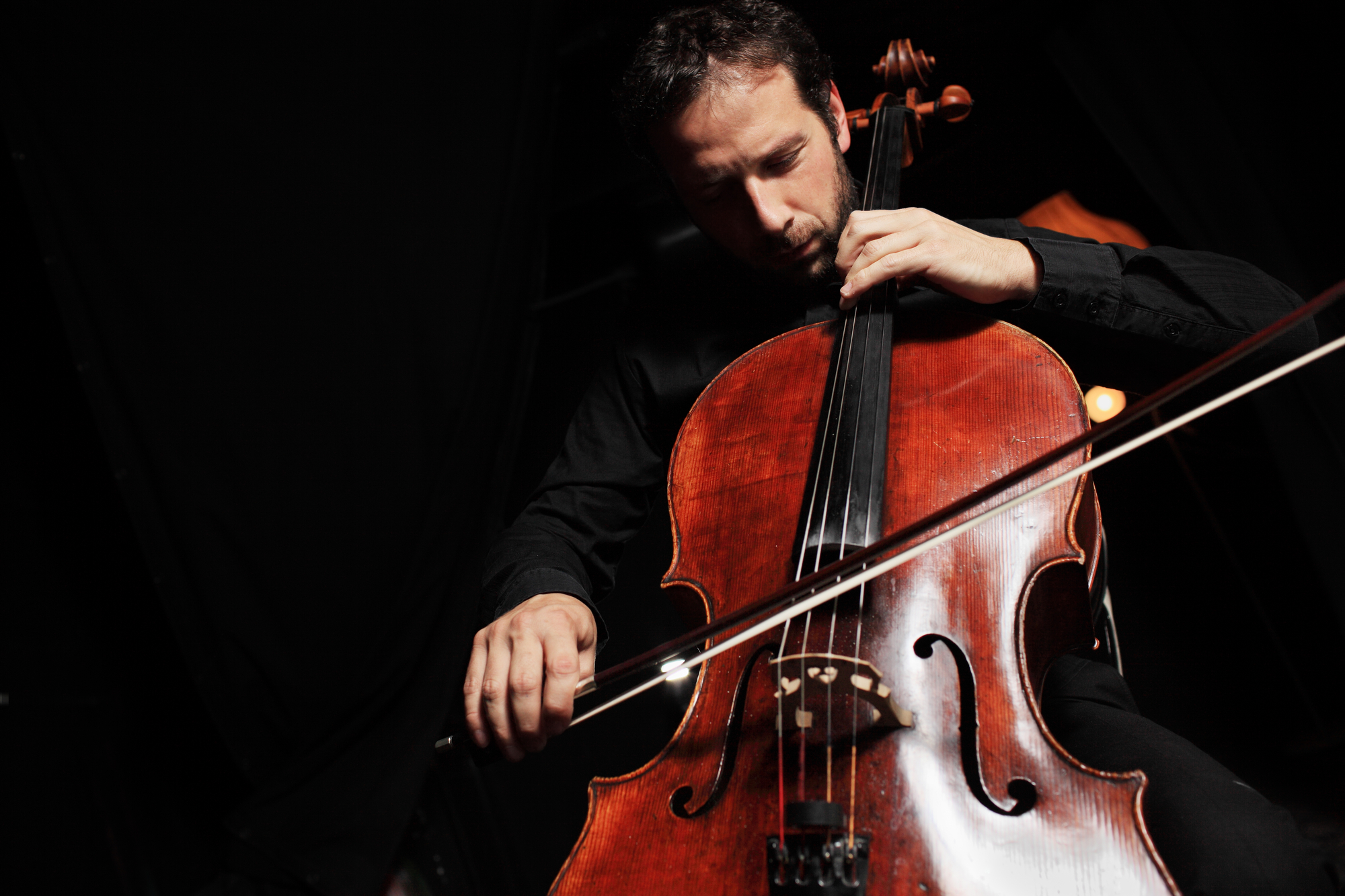
The Best Cello Models and Brands You Can Find on The Market in 2025
Buying a cello is a bigger commitment than picking up most instruments. Even a modest student cello costs several hundred dollars, and the differences between a $300 outfit and a $3,000 handmade instrument are not subtle. The wood, the setup, the strings, and the bow all affect how the cello responds under your hands — and how quickly you progress as a player.
This guide covers what actually matters when choosing a cello, which brands hold up at different price points, and how to avoid the most common purchasing mistakes. Whether you are an adult beginner, a parent buying for a child, or an advancing player ready to upgrade, the goal is the same: get the best instrument you can for what you are willing to spend.
How to Choose a Cello: What Actually Matters
Before looking at specific models, you need to understand the four factors that separate a good cello from a frustrating one.
Tonewoods
The top (soundboard) of a quality cello is almost always spruce. Spruce is light and stiff, which means it vibrates freely and projects sound efficiently. The back, sides, and neck are typically maple, a dense hardwood that reflects sound waves back through the body rather than absorbing them. Fittings — pegs, fingerboard, tailpiece — are traditionally ebony, valued for its hardness and resistance to wear.
Cheap cellos sometimes substitute basswood, poplar, or laminated woods for solid spruce and maple. These instruments can technically produce sound, but they lack the resonance and dynamic range of properly selected tonewoods. If a listing does not specify the wood species, that is usually a warning sign.
A well-chosen spruce top will have even, tight grain lines running parallel along its length. Luthiers call this “quartersawn” spruce, and it is one of the easiest visual indicators of a quality instrument. You can often see this grain pattern through the finish.
Size
Cellos come in fractional sizes to fit different body proportions. Getting the wrong size leads to bad posture, poor intonation, and hand strain. The standard sizes and their approximate fit:
- 4/4 (full size): Back length 30+ inches. For adults and teens with an arm length of 60 cm or more.
- 3/4: Back length 26-27 inches. For players with arm length 55-60 cm, typically ages 11-15.
- 1/2: Back length 23-26 inches. Arm length 50-55 cm, typically ages 8-11.
- 1/4: Back length 20-23 inches. Arm length 45-50 cm, typically ages 5-8.
- 1/8: Back length under 20 inches. For the youngest beginners.
To measure arm length, extend the left arm straight out to the side and measure from the neck to the center of the palm. When in doubt, go to a local shop and sit with the instrument. The C peg should be near your left ear, and your left hand should reach first position comfortably without stretching.
Strings
Most cellos ship with factory strings that are adequate but not great. Many cellists replace them immediately. The three main string categories:
- Steel core (Jargar, Helicore): Bright, loud, stable tuning. Good for beginners because they are forgiving and durable.
- Synthetic core (Larsen, Dominant, Evah Pirazzi): Warmer tone that approaches gut strings. The most popular choice for intermediate and advanced players.
- Gut core (Eudoxa, Passione): The warmest, most complex tone. Sensitive to humidity and temperature. Used mostly by soloists and baroque players.
Budget for a string upgrade if you are buying a student instrument. A set of D’Addario Helicore or Jargar strings ($60-80) will noticeably improve the sound of any entry-level cello.
Acoustic vs. Electric
Acoustic cellos produce sound through the vibration of the body itself. They need no amplification for practice or small performances, and they develop a richer tone as the wood ages. This is the standard choice for classical study, orchestra, and chamber music.
Electric cellos use a pickup and require an amplifier or headphones. They are quieter without amplification (some are nearly silent), which makes them ideal for apartment practice or late-night sessions. They are also lighter and more durable for travel. The trade-off is that their amplified tone, while improving every year, does not match the natural resonance of a good acoustic instrument.
If you are studying cello seriously and plan to play in ensembles, start with an acoustic. If you primarily need a practice instrument in a noise-sensitive environment, an electric makes more sense. Some players own both.
Best Cellos by Skill Level
Best for Beginners: Stentor 1102 Student I
The Stentor Student I is the cello you will find in more music school closets than any other. It is built with a solid spruce top and maple back, which puts it ahead of the pressed-laminate instruments flooding the budget market. The fingerboard is ebony, and the pegs actually hold their tuning — not something you can take for granted at this price.
The included bow is basic and worth upgrading eventually, but it is functional for the first year or two. The outfit comes with a padded bag and rosin. Stentor makes this model in sizes from 1/10 to 4/4, so it works for young children through adults.
What it does not have: the projection or tonal depth of a handmade instrument. But no student cello in this range does. The Stentor’s strength is consistency. You will not get a lemon, and the setup out of the box is better than most competitors at this price point.
Price range: $400-600 depending on size.
Best Budget Option: Cecilio CCO-100
The Cecilio CCO-100 is one of the most affordable full-outfit cellos available. It comes with a case, bow, rosin, and a tuner. The spruce top and maple construction are standard for this tier, and Cecilio has been making these long enough that quality control is generally reliable.
The strings are the weakest point — plan to replace them. The bow is also a placeholder. But the instrument itself, once set up properly with new strings, is a capable beginner cello. If your budget is truly limited and renting is not an option, this is a reasonable starting point.
Price range: $250-400.
Best for Intermediate Players: Eastman VC305
For players moving beyond the first few years of study, the jump to an instrument like the Eastman VC305 is transformative. Eastman instruments are hand-carved from aged tonewoods and set up by trained luthiers before shipping. The difference in response — how quickly the cello speaks when you draw the bow — is immediately obvious.
The VC305 uses a solid spruce top, flamed maple back and sides, and ebony fittings. It comes with better factory strings than budget models, though many players will still upgrade to Larsen or Evah Pirazzi for the A and D strings. The sound is warm, even across all four strings, with enough projection for recitals and chamber performances.
Eastman also offers the VC200 (student) and VC405 (advanced) if you want to stay in the same family at different price points. Their instruments hold resale value well, which matters when you are eventually ready to move up again.
Price range: $2,000-3,500 with outfit.
Best Professional Cello: D Z Strad Model 600
The D Z Strad Model 600 occupies the space where workshop production meets handmade quality. D Z Strad is known for producing antique-quality string instruments, and the Model 600 reflects that heritage. It features a hand-carved spruce top, highly flamed maple back, and ebony fittings throughout.
The sound is focused and projecting, with a warmth in the lower register that cheaper instruments cannot replicate. The multi-wire spiral rope core strings it ships with are a cut above standard factory strings. The outfit includes a quality case, brazilwood bow, strings, and rosin.
D Z Strad operates across a broad price spectrum — some of their instruments sell for $20,000 or more. The Model 600 is their accessible professional option, and it punches well above its price point. Available in all standard sizes from 1/8 to 4/4.
Price range: $1,500-2,500.
Best Electric Cello: Yamaha SVC-110SK
The Yamaha SVC-110SK Silent Cello is the industry standard for electric cellos. Yamaha’s reverb DSP gives you multiple room simulations, so you can practice with headphones and still hear a natural, resonant sound rather than a dry electric signal.
It connects to an amplifier for live performance and to a laptop via the headphone output for recording. The body is minimal — no resonating chamber — so it is lighter and more compact than an acoustic cello. The downside is that without amplification, you get almost no sound, which means you always need either headphones or an amp.
Build quality is excellent, as you would expect from Yamaha. The frame is sturdy, the tuning pegs hold well, and the electronics are reliable. It takes standard cello strings, so you can experiment with different sets to shape the amplified tone. AA batteries power the preamp (not included).
If you are deciding between this and an acoustic, consider your primary use case. For classical study and ensemble playing, go acoustic. For quiet practice, recording, or modern/experimental performance, the SVC-110SK is hard to beat.
Price range: $1,500-2,000.
Best for Young Children: D’Luca Meister Ebony Fitted Cello
The D’Luca Meister is available in 1/4 size, making it suitable for children roughly ages 5-8. It uses maple, spruce, and ebony — real tonewoods, not laminate substitutes. The outfit includes a lightweight case and bow sized for small hands.
D’Luca specifically designs instruments for younger players, and the ergonomics reflect that. The pegs are easy to turn, the string height is manageable for developing fingers, and the overall weight is appropriate for a child to handle.
One consideration: young beginners will likely need an adult or teacher to help with initial setup and tuning. The pegs do not have fine tuners on all four strings by default, so consider adding them. A full set of fine tuners costs under $20 and makes a significant difference for a child learning to tune independently.
Price range: $200-350.
Brands Worth Knowing
Stentor
Stentor has been making student string instruments since 1895. Their cellos are manufactured in China under consistent quality specifications, and they are the default recommendation from most music teachers for beginners. The Student I and Student II models cover the first several years of study without limiting progress. Not exciting, but dependable — exactly what you want in a first instrument.
Eastman
Founded in 1992 and based in Beijing, Eastman Strings produces hand-carved instruments that compete with European workshops at lower prices. Their quality control is unusually good for the volume they produce. The step-up from their student line to their intermediate and advanced instruments is smooth, and many players stay with Eastman through multiple upgrades.
Yamaha
Yamaha’s acoustic cellos (the VC series) are solid mid-range instruments, but where Yamaha truly excels is electric and silent cellos. Their SVC line has been the go-to choice for electric cello players for over two decades. Yamaha’s engineering background in electronics gives them a clear edge in pickup design and onboard DSP processing.
D Z Strad
D Z Strad produces instruments across an enormous price range, from $1,000 student models to $20,000+ professional instruments. Their workshop-made cellos use traditional construction methods and well-aged tonewoods. For advancing players who want a handmade instrument without the five-figure price tag, D Z Strad’s mid-range models offer strong value.
Cecilio
Cecilio dominates the entry-level market with affordable outfits that include everything a beginner needs. Their instruments will not win any tone competitions, but they are functional, widely available, and backed by reasonable customer support. Think of Cecilio as a starting point rather than a destination.
Accessories You Should Not Skip
A cello without the right accessories is incomplete. Here is what you need beyond the instrument itself.
A Proper Case
Soft gig bags offer minimal protection. If you transport your cello regularly — to lessons, rehearsals, or performances — invest in a hard case or at least a heavy-duty foam case. Our guide to the best cello cases covers options at every price point. At minimum, look for a case with backpack straps, internal padding, and a bow holder.
A Decent Bow
The bow matters almost as much as the cello itself. Factory bows that come with student outfits are functional but hold you back as your bowing technique develops. A brazilwood bow ($80-150) is a meaningful upgrade for students. Carbon fiber bows ($100-300) offer durability and consistent performance. Pernambuco bows ($300+) are the traditional professional choice. Read our best cello bows guide for specific recommendations.
Rosin
Without rosin, the bow slides across the strings without gripping. Most outfits include a basic cake of rosin that will last a few months. When you replace it, cello-specific rosin (softer and stickier than violin rosin) from brands like Pirastro or Hidersine makes a noticeable difference in bow response.
A Tuner
Clip-on chromatic tuners ($15-25) are the easiest option for beginners. Snark and D’Addario both make reliable models. As your ear develops, you can transition to tuning from a reference pitch or using harmonics.
An Endpin Stopper
The endpin on a cello will slide on hard floors. A rubber-tipped endpin stop or a strap that anchors to your chair leg prevents the instrument from creeping away during practice. This costs under $10 and saves you constant frustration.
Buying Tips
Rent before you buy. Most music shops offer rental programs that apply a portion of your monthly payments toward a purchase. This lets you (or your child) confirm that the cello is the right instrument before committing to ownership. Rental programs also handle repairs and size exchanges as a child grows.
Buy from a string specialist if possible. General music retailers and Amazon sellers often ship cellos without a proper setup. A string shop will adjust the bridge, soundpost, and string height before you take the instrument home. These adjustments can take a mediocre cello and make it play like one costing twice as much.
Do not buy the cheapest cello you can find. Instruments under $200 are almost universally poor quality — warped necks, bridges that collapse, pegs that will not hold, and tonewoods that are really plywood. They cause beginners to quit because they think the cello is supposed to feel and sound that bad. The minimum for a functional instrument is around $250-300.
Factor in ongoing costs. New strings every 6-12 months ($60-120), bow rehairs once a year ($50-80), and occasional bridge or soundpost adjustments ($30-60) are normal maintenance costs. Budget for these when deciding what to spend on the instrument itself.
Cello vs. Other String Instruments
If you are still deciding which string instrument to pursue, our cello vs. violin comparison breaks down the practical differences in size, cost, repertoire, and learning curve. The cello has a lower, warmer range that many people find more appealing than the violin’s higher register, but it is larger and less portable. For players drawn to the violin instead, we have a separate beginner’s guide.
Electric string instruments are another option worth considering. If you want amplified sound and modern versatility, our guide to the best electric violins covers the electric side of the string family.
Final Thoughts
The right cello depends on three things: your current skill level, your budget, and how seriously you plan to pursue the instrument. For beginners, a Stentor Student I or Cecilio CCO-100 outfit gets you started without overspending. For advancing players ready to hear what their technique can really do, an Eastman or D Z Strad in the $1,500-3,500 range is a significant and worthwhile investment. And for quiet practice or modern performance, the Yamaha SVC-110SK remains the electric cello to beat.
Whatever you choose, have a teacher or experienced player check the setup before you start practicing. A properly adjusted bridge, soundpost, and string height make more difference than most beginners realize — and they can turn an average cello into one that actually inspires you to keep playing.