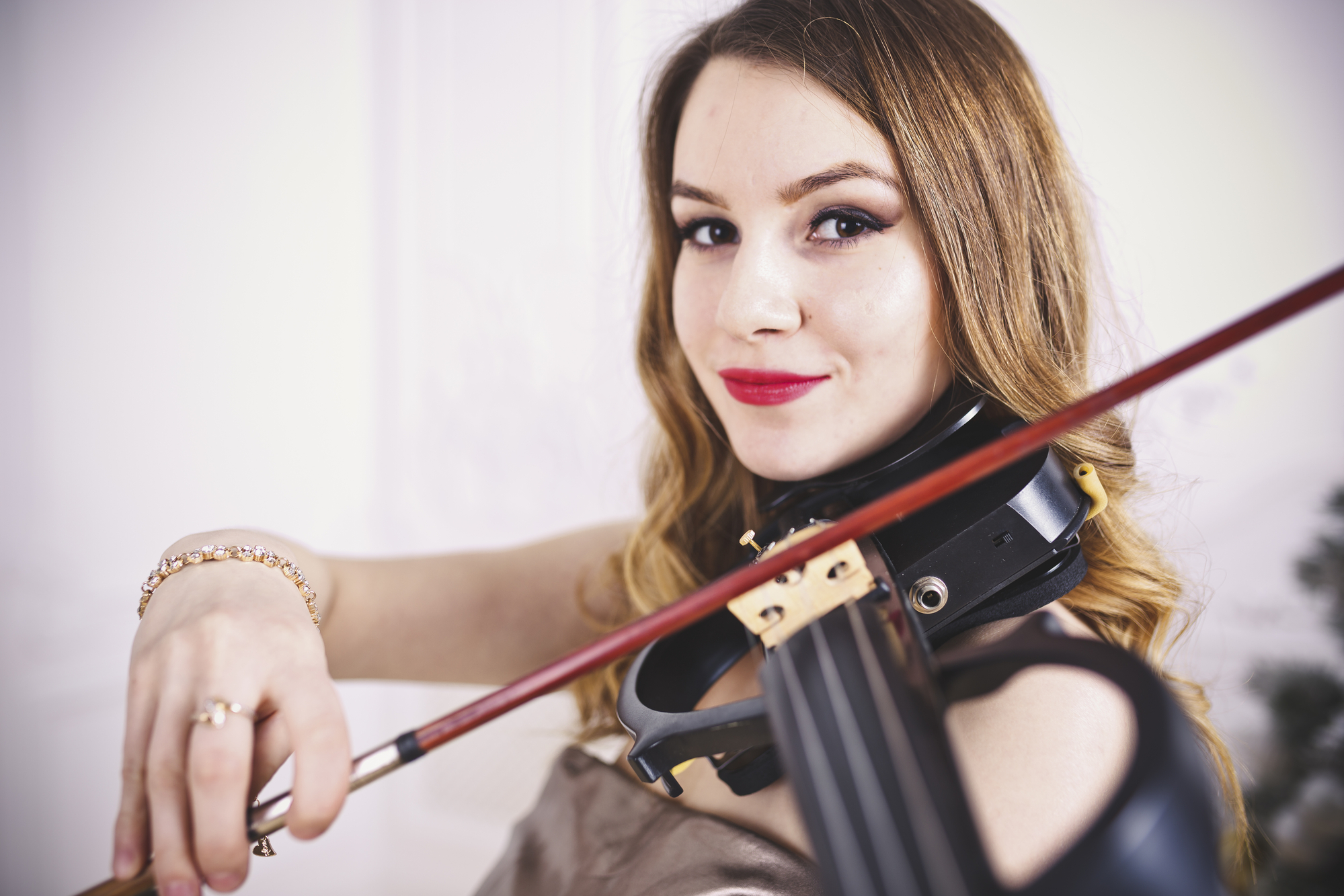
6 Best Electric Violins in 2025
Electric violins are not just acoustic violins with a cable attached. They are fundamentally different instruments with different construction, different sound characteristics, and different use cases. The best electric violin for you depends on whether you want to practice silently in an apartment, perform on stage with a rock band, or experiment with effects and looping.
The market has expanded significantly in recent years, with roughly 30 companies seriously manufacturing electric violins at various price points. That means more options, but also more confusion. This guide breaks down the types of electric violins, what actually matters when choosing one, and specific recommendations across budgets.
Types of Electric Violins
Before looking at specific models, you need to understand three distinct categories. Each works differently, sounds different, and serves different purposes.
Solid-Body Electric Violins
These rely entirely on electronic pickups to produce sound. The body does not amplify anything acoustically, which means makers can build them in unusual shapes without affecting tone. The sound depends almost entirely on the pickup quality, your amp, and any effects you run. Without amplification, they produce only a faint, scratchy sound.
Best for: Stage performance, effects processing, looping, recording directly into a DAW.
Silent (Electric) Violins
A subset of electric violins designed specifically for quiet practice. They include a built-in preamp and headphone jack, so you can plug in earbuds and play without disturbing anyone. Yamaha popularized this category with their SV series. They are not truly silent (you still hear some acoustic sound from the strings), but they are dramatically quieter than an acoustic instrument.
Best for: Apartment practice, late-night playing, warming up backstage.
Acoustic-Electric Violins
These are standard acoustic violins with an added pickup and output jack. They produce full acoustic sound on their own and can be plugged into an amp when needed. The trade-off is that the electronic components add weight and can slightly alter the acoustic resonance.
Best for: Players who want one instrument for both unplugged and amplified situations, church gigs, small-venue folk and country performances.
If you already own a good acoustic violin and just want to amplify it occasionally, consider adding a clip-on pickup like the Fishman V-200 instead of buying a separate instrument. It costs a fraction of the price and keeps your acoustic tone intact.
What Actually Matters When Choosing an Electric Violin
Pickup Type and Quality
The pickup is the single most important component in an electric violin. It converts string vibrations into an electrical signal, and cheap pickups produce thin, noisy sound that no amount of post-processing can fix.
Piezo pickups are the standard for electric violins. They sit under the bridge and detect vibrations directly, producing a bright, detailed tone. Dual-pickup systems (one in the bridge, one in the body) give you more tonal flexibility by letting you blend between a brighter and warmer signal.
Magnetic pickups are less common on violins but appear on some models like the Cantini Earphonic. They pick up string vibration magnetically, similar to an electric guitar, producing a smoother, more electronic sound.
The quality gap between a $100 violin’s pickup and a $600 violin’s pickup is enormous. As the Electric Violin Shop notes, any electric violin under $500 likely uses cheap pickups and preamps that will disappoint you.
Weight and Balance
Electric violins are held the same way as acoustic ones, which means weight matters. A heavy instrument causes fatigue during long playing sessions and can contribute to neck and shoulder problems over time. Most quality electric violins weigh between 450g and 750g. Anything over 800g will feel noticeably heavy compared to a standard acoustic violin (around 400-500g with chinrest).
Balance matters as much as total weight. A violin that is neck-heavy or bottom-heavy will feel heavier than it is because you are constantly correcting its position. Try to play any electric violin for at least 10-15 minutes before deciding.
Body Shape and Ergonomics
Some electric violins have a bout (the curved shoulder area of a traditional violin), while others have a stripped-down frame or skeleton design. The bout matters because it guides your left hand when shifting to higher positions. If you are trained on acoustic violin, a design without a bout can feel disorienting at first.
Also check whether the violin accepts a standard shoulder rest and chinrest. Some electric violins have built-in support systems that cannot be swapped, which is a problem if you have a specific setup you are comfortable with.
String Compatibility
Most electric violins use standard 4/4 violin strings, but some models sound better with specific types. Steel-core strings tend to work best with electric pickups because they produce a stronger, more consistent signal. Synthetic-core strings like Thomastik Dominants can sound great but may produce a weaker output on some models. Check the manufacturer’s recommendations.
Best Electric Violins by Category
Best Overall: Yamaha YEV-104
The Yamaha YEV-104 hits the sweet spot between price, sound quality, and playability. It uses a spruce and mahogany body with a maple frame, producing a warmer, more organic tone than most electric violins in its price range. The single piezo pickup in the bridge delivers clean output that works well with or without effects.
At around $700-$800, it is firmly mid-range. The body includes a bout for higher-position navigation, and the frame shape keeps the weight low at about 550g. It also has a passive/active switch, giving you the option to run without batteries (passive mode produces a quieter, more natural signal).
The YEV-104 looks striking with its open-frame design, and it comes in a 5-string version (YEV-105) if you want the extended range for viola parts. The main limitation is that it only has one pickup, so you do not get the tonal blending that dual-pickup instruments offer.
Why it wins: Reliable Yamaha build quality, excellent tone for the price, lightweight, versatile enough for practice and performance.
Best for Silent Practice: Yamaha SV-250
The SV-250 is Yamaha’s current top-tier silent violin, and it earns that position with a dual-pickup system (bridge and body) that gives you genuine tonal control. A knob on the back lets you blend between the two pickups or use either one alone. The bridge pickup is brighter and more detailed; the body pickup adds warmth.
The instrument comes with an external control box that clips to your belt. It houses the preamp, volume controls, treble/bass EQ, and a headphone jack. This design keeps the violin body lighter but means you have a cable running from the instrument to the box.
At around $1,800, it is a significant investment. But for players who need to practice quietly every day, the SV-250 pays for itself in the quality of the practice experience. The sound through headphones is remarkably close to a real acoustic tone, which helps maintain good bowing habits that cheap silent violins can destroy with their thin, tinny output.
It uses D’Addario Zyex strings from the factory. Many players report that upgrading to better strings improves the sound further.
Why it wins: Best headphone sound quality, dual-pickup tonal control, proven reliability for daily practice.
Best Budget Option: Harley Benton HBV 870BK
At around $120-$150, the Harley Benton HBV 870BK is the most affordable electric violin worth buying. It comes with a case, composite bow, rosin, and a 9V battery for the active pickup. The Shadow Electronics pickup produces a usable sound that is surprisingly decent for the price.
The caveats are real: the included bow is heavy and poorly balanced, the cable is cheap, and the strings are basic. Budget another $50-$80 for a carbon fiber bow, a decent instrument cable, and a set of better strings, and the total package becomes a legitimate starter instrument.
The body is made from paulownia wood with a birch fingerboard, so it does not have the resonance or feel of more expensive instruments. But at this price point, nothing does. It can plug into headphones directly, making it viable for apartment practice.
Why it wins: Lowest entry price for a functional electric violin, includes accessories to start immediately.
Best for Professional Performance: NS Design CR4
The NS Design CR4 is widely regarded as one of the best production electric violins available. It uses the Polar directional piezo pickup system, which lets you switch between different tonal characters instantly, from near-acoustic to full electric. The adjustable-height bridge lets you set the action to match your playing style, from low and fast for fiddle tunes to higher for more aggressive bowing.
The body is solid European maple with an ebony fingerboard. The included shoulder rest is malleable (you can bend it with your fingers to fit your body), and the bout is removable if you prefer an open design. The jack output is on the back, which keeps the cable out of the way during performance.
At around $3,400, this is a serious investment, but the price is in line with what professional performers pay. For comparison, a professional acoustic violin would cost many times more. The CR4 is available in 4-string or 5-string versions, fretted or unfretted.
Why it wins: Professional-grade sound and build, unmatched adjustability, designed for serious stage use.
Best Acoustic-Electric: Yamaha YEV-104 (Natural Finish)
If you want an instrument that bridges acoustic and electric playing, the YEV-104 in its natural finish variant does double duty better than most dedicated acoustic-electrics. Its spruce body actually produces enough acoustic volume for personal practice without plugging in, while the pickup handles amplified situations.
For a more traditional acoustic-electric approach, the Thomann Europe Electric Violin NV is another option worth considering. It looks and feels closer to a standard acoustic violin but includes a pickup for amplification. It is a European market option that offers strong value at around $300-$400.
True acoustic-electric violins are a compromise by nature. The electronic components add weight, and the acoustic sound is never as good as a dedicated acoustic instrument. If you need both acoustic and amplified capability, you may be better off keeping a separate acoustic violin and adding a removable pickup when needed.
Best Under $300: Vangoa Full-Size Electric Violin
The Vangoa 4/4 Electric Violin sits in the gap between ultra-budget instruments and mid-range options. At around $200-$250, it includes a case, bow, rosin, strings, aux cable, and headphones. The build quality is a clear step up from sub-$150 options, with a more responsive pickup and better string action out of the box.
The body design is a standard skeleton frame with a bout, so it feels familiar to acoustic players. It is light enough for extended practice sessions and produces a clean signal through both headphones and an amplifier.
The main weakness is the included accessories. Like most violins in this price range, the bow and strings are serviceable but not great. Upgrading to a quality bow and a set of steel-core strings will make a noticeable difference.
Why it wins: Best balance of price and quality for players who have outgrown the cheapest options but are not ready for a $700+ instrument.
Accessories You Will Need
An electric violin on its own is not a complete setup. Here is what you need depending on your use case.
For Practice
- Headphones or earbuds: Any decent pair works. Over-ear headphones provide better sound isolation.
- A 1/4-inch to 3.5mm adapter: Some violins output through a standard instrument jack; your headphones likely use a 3.5mm plug.
- A tuner: Clip-on tuners work fine on electric violins. Piezo-based tuners detect vibration through the body, so they function even when the instrument is not plugged in.
For Performance
- An amplifier: A small keyboard amp or acoustic amp works better than a guitar amp for violin. Guitar amps color the tone in ways that do not suit bowed instruments. The Roland Cube series is a popular choice.
- An instrument cable: Do not use the cheap cable that comes with budget violins. A quality 10-foot instrument cable from a brand like Mogami or Planet Waves costs $15-$25 and eliminates noise issues.
- A effects pedal (optional): Loop pedals, reverb, and delay are the most useful effects for violin. The Boss RC-5 Loop Station is widely used by electric violinists.
For All Players
- A quality bow: If your electric violin came with a bow, it is almost certainly worth upgrading. A carbon fiber bow in the $50-$150 range will improve your tone and playing comfort significantly.
- A hard case: Many electric violins fit standard violin cases, but check compatibility first. Some unconventional body shapes require specific cases.
- Rosin: Standard rosin works fine on electric violins. You do not need a special formulation.
Common Mistakes to Avoid
Buying the cheapest option available. Electric violins under $100 almost universally have terrible pickups, poor intonation, and flimsy construction. You will spend more fixing problems than you saved on the purchase price.
Using a guitar amp. Guitar amplifiers are designed to color the signal, adding distortion characteristics that work for guitar but make violin sound harsh and artificial. Use a keyboard amp, acoustic amp, or PA system instead.
Skipping the acoustic violin entirely. If you are a beginner, starting on an acoustic violin is still the better path. Electric violins are less forgiving of poor technique because the pickup catches every flaw. Learn proper bowing and intonation on an acoustic first, then add an electric to your collection.
Ignoring string choice. The strings that come with most electric violins are generic and uninspiring. Spending $20-$40 on a quality set of steel-core strings transforms the sound.
Final Verdict
For most players, the Yamaha YEV-104 offers the best combination of sound quality, build quality, and price. It works for practice, small performances, and recording, and it comes from a brand with a proven track record in electric string instruments.
If silent practice is your primary need, the Yamaha SV-250 is worth the premium. If you are on a tight budget, the Harley Benton HBV 870BK gets you started for minimal cost. And if you are a professional performer, the NS Design CR4 is the instrument to beat.
Whatever you choose, remember that the pickup is the heart of an electric violin. Everything else, from the strings to the bow to the amplifier, can be upgraded over time. But a bad pickup in a cheap body is not something you can fix.