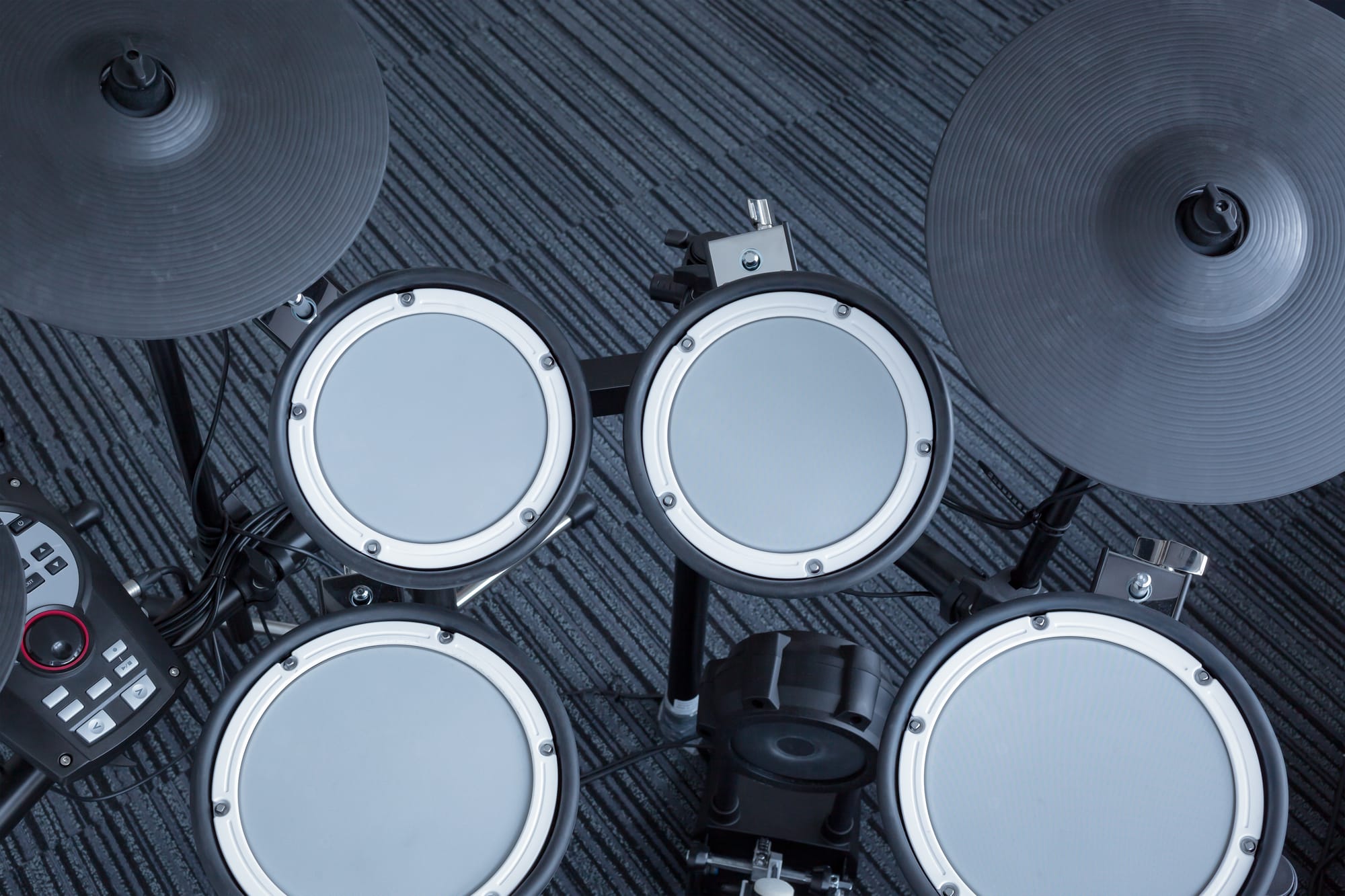
The Best Electronic Drum Sets Under 1000 Dollars in 2025
The best electronic drum set under $1000 is the Alesis Nitro Pro. It delivers BFD-quality sounds, all-mesh pads, Bluetooth streaming, and a rock-solid steel rack for under $700.
The sub-$1000 electronic drum market has changed dramatically in recent years. Mesh heads, Bluetooth connectivity, and studio-grade sound engines that were exclusive to $2000+ kits a few years ago are now standard at half the price. Whether you are a beginner looking for a first kit, an acoustic drummer who needs a quiet practice option, or a gigging player who wants a reliable backup, there is a genuinely good e-kit at every price point below a grand.
Here are the electronic drum sets worth buying under $1000, what makes each one stand out, and who each kit is best for.
Best Electronic Drum Sets Under $1000
Alesis Nitro Pro — Best Overall Value
Price: ~$699 | Buy on Amazon | Buy on Sweetwater
The Alesis Nitro Pro hits the sweet spot between price and capability. You get a 10-inch dual-zone mesh snare, three 8-inch dual-zone mesh toms, an 8-inch mesh kick tower, and three 10-inch cymbal pads with choke. The dual-zone pads let you trigger different sounds from the head and rim, which matters more than most beginners realize — rim clicks, cross-stick patterns, and cymbal bell hits all become available.
The Nitro Pro module is the real upgrade over older Alesis kits. It ships with 52 kits powered by BFD sounds (the same engine used in professional studio software), plus over 500 individual samples. The onboard sequencer, metronome, and 60 practice songs give you structured practice tools without needing a separate app. Bluetooth lets you stream music directly through the module for play-along sessions.
The steel rack is noticeably more stable than what Alesis shipped on older models like the Nitro Mesh or Turbo Mesh. It handles aggressive playing without wobbling. The kit also supports a double bass pedal on the kick tower, which is a real plus for rock and metal players.
Best for: Intermediate players, home studio recording via USB MIDI, anyone who wants the most features per dollar.
Simmons Titan 75 — Best Sound Quality Under $1000
Price: ~$899 | Buy at Guitar Center
The Simmons Titan 75 is the best-sounding electronic drum kit you can buy without crossing into four figures. Its module uses studio-recorded multi-layer samples that respond dynamically to how hard you hit. Soft ghost notes sound like ghost notes, not just quieter versions of a full stroke. That level of sample detail is unusual at this price.
The kit includes a triple-zone ride cymbal with a dedicated bell trigger — a feature you typically only find on kits costing $1500 or more. The hi-hat also offers graduated open-to-closed response rather than just binary open/closed switching.
Build quality is solid, with mesh heads across all drum pads and a sturdy chrome rack. The companion app (Simmons Drums app) lets you deep-edit kits, swap samples, and adjust pad sensitivity from your phone, which is faster and more intuitive than navigating a small module screen.
Best for: Players who prioritize realistic, expressive sound over everything else.
Roland TD-07DMK — Best for Realistic Feel
Price: ~$799 | Buy on Amazon | Buy on Sweetwater
Roland’s TD-07DMK is the entry point into the V-Drums ecosystem, and it feels like it. The double-ply, tension-adjustable mesh heads are the same technology Roland uses on their flagship kits. You can tune the rebound to match your acoustic drum preferences, which makes switching between acoustic and electronic practice seamless.
The TD-07 module includes 25 preset kits and 143 instruments, with 25 user kit slots for custom configurations. The onboard coach function tracks your timing accuracy and gives you structured exercises — it is genuinely useful, not a marketing checkbox. Bluetooth streaming is included for play-along practice.
Where the TD-07DMK falls short compared to the Alesis kits is pad count and size. The three tom pads are 6 inches, which feel small if you are used to acoustic drums. The kit compensates with outstanding triggering accuracy — Roland’s sensing technology is still the best in the industry for translating stick velocity and position into natural-sounding dynamics.
The TD-07DMK is also the quietest kit on this list, making it a strong choice for apartment practice or late-night sessions.
Best for: Acoustic drummers who need a quiet practice kit, players who value feel and triggering accuracy over feature count.
Alesis Nitro Max — Best Budget Option
Price: ~$449 | Buy on Amazon | Buy on Sweetwater
If your budget is closer to $500, the Alesis Nitro Max delivers a surprising amount of kit for the money. You get five mesh drum pads (10-inch dual-zone snare, three 8-inch single-zone toms, kick tower), three 10-inch cymbal pads with choke, and the Nitro Max module with 32 BFD kits and 440 sounds.
The main compromise over the Nitro Pro is single-zone toms — you get one sound per tom pad rather than separate head and rim triggers. For most beginners and casual players, this is a non-issue. The snare is still dual-zone, which is where rim articulation matters most.
Bluetooth streaming, USB MIDI output, and a headphone jack are all included. The steel rack is the same stable platform as the Nitro Pro. You also get a 90-day Drumeo subscription for online lessons, which is a solid starting resource.
Best for: Beginners on a budget, first-time e-kit buyers, younger players.
Simmons Titan 50 — Best Entry-Level Kit
Price: ~$449 | Buy at Guitar Center
The Simmons Titan 50 competes directly with the Alesis Nitro Max and arguably wins on sound quality. The module uses the same multi-layer sample engine as the pricier Titan 75, just with fewer kits. The sounds punch well above the price point.
The kit comes with a mesh snare, three mesh toms, a kick pad, hi-hat controller, and two cymbal pads. Build quality is respectable for the price, and the Simmons app gives you editing capabilities that rival kits costing twice as much.
If you are choosing between this and the Nitro Max, the Titan 50 sounds better out of the box, while the Nitro Max offers more connectivity options and BFD-branded sounds. Both are excellent entry points.
Best for: Beginners who want the best possible sound at the lowest price.
Alesis Command Mesh Special Edition — Best for Expandability
Price: ~$799 | Buy on Amazon | Buy on Sweetwater
The Alesis Command Mesh Special Edition is worth considering if you want a kit that can grow with you. It ships with a 10-inch mesh snare, three 8-inch mesh toms, an 8-inch mesh kick tower, and three 10-inch cymbal pads — all with tunable heads for dialing in your preferred rebound.
What sets the Command apart is the module’s expansion capability and its 70 kits with over 600 sounds. The raised rim on the snare pad produces a genuine rim click sound, which is uncommon on sub-$1000 kits. Dual-zone pads and chokable cymbals round out the feature set.
The powder-black hardware with gold-tinged lugs gives it a more serious look than the typical chrome rack kits. If aesthetics matter to you (and they might, especially for gigging), this kit looks like it costs more than it does.
Best for: Players who plan to add extra pads or cymbals later, gigging drummers who want a good-looking kit.
Roland TD-02KV — Most Affordable Roland
Price: ~$499 | Buy on Amazon | Buy on Sweetwater
The TD-02KV is Roland’s most affordable V-Drums kit and a good option if you want Roland sound quality without stretching to the TD-07DMK’s price. The 10-inch mesh snare is the same PDX-8 pad used on the more expensive kit, and the TD-02 module shares Roland’s core sound engine.
The trade-offs are smaller tom pads, rubber cymbals instead of the harder-wearing material on higher models, and a simpler rack. The module has fewer kits and no Bluetooth. But the fundamentals — triggering accuracy, mesh head feel on the snare, and sound quality — are solid Roland.
Best for: Budget-conscious buyers who specifically want Roland’s sound engine and triggering.
What to Look for When Buying an Electronic Drum Set
If you are comparing kits for the first time, these are the factors that actually matter. Skip the spec-sheet noise and focus on these.
Mesh Heads vs. Rubber Pads
Every kit on this list uses mesh heads on the drums, and for good reason. Mesh feels closer to an acoustic drum head — the rebound is natural, the strike is quieter, and you can often adjust the tension. Rubber pads are cheaper to manufacture but feel stiff, produce more noise, and are harder on your wrists over long practice sessions.
If a kit in this price range does not have mesh heads on at least the snare and toms, skip it. Mesh is no longer a premium feature — it is the baseline.
Module Quality
The module is the brain of the kit. It determines what sounds you hear, how responsive the pads feel, and what connectivity options you have. At this price range, look for:
- Multiple kit presets (20+ is standard now)
- USB MIDI output for connecting to a computer or DAW
- Bluetooth audio input for streaming music to play along with
- Headphone output (1/8-inch or 1/4-inch) — essential for quiet practice
- Aux input as a backup for non-Bluetooth devices
The Alesis Nitro Pro and Simmons Titan 75 modules are the strongest in this price range. Roland’s modules are more conservative on features but excel at triggering accuracy.
Pad Zones and Cymbal Choke
Dual-zone pads let you trigger different sounds from the head and the rim of a drum pad. This matters most on the snare, where you need distinct head, rim shot, and cross-stick sounds. Single-zone toms are a perfectly acceptable compromise on budget kits.
Cymbal choke — grabbing the cymbal pad to stop the sound — is standard on most kits now. Make sure at least the crash has it. A ride cymbal with a separate bell zone is a significant upgrade worth paying for if your budget allows.
Kick Pad Design
There are two common designs: kick towers (a pad mounted on a post that you hit with a standard bass drum pedal) and kick pads (flat pads you step on with a built-in pedal mechanism). Kick towers feel more natural and support double pedal setups. Every kit on this list above $500 uses a kick tower.
Noise and Apartment Playing
Electronic drums are quieter than acoustic drums, but they are not silent. The kick pedal transmits vibration through the floor, and stick-on-mesh impact is audible in the room. If you live in an apartment or share walls, consider:
- A drum isolation platform or thick rubber mat under the kit
- A kick tower with a mesh head (quieter than rubber kick pads)
- Playing with lighter drumsticks designed for electronic drums or rods
The Roland TD-07DMK is specifically engineered for low-noise home use and is the quietest option on this list.
Connectivity for Recording
If you plan to record your drumming, USB MIDI output is essential. It lets you connect the kit to a computer and trigger any virtual drum software (like Superior Drummer, BFD, or Addictive Drums) for studio-quality recordings. Every kit on this list includes USB MIDI.
Some kits also offer USB audio output, which sends the module’s own sounds directly to your DAW without needing an audio interface. This is less common at the sub-$1000 level but available on some Alesis and Roland modules.
Accessories You Will Need
No electronic drum kit ships truly complete. Budget for these extras:
- Drum throne — None of these kits include one. Expect to spend $50-$100 for something comfortable. Check our beginner drum sets guide for recommendations.
- Kick pedal — Most kits include one, but verify before buying. Roland kits in particular sometimes ship without a kick pedal.
- Headphones — A good pair of closed-back headphones makes a massive difference in how the kit sounds. See our guide to the best headphones for electronic drums.
- Amplifier — If you want to play with a band or hear your kit without headphones, you need a dedicated drum amp or PA speaker. Our electronic drum amplifier guide covers the options.
- Sticks — Regular drumsticks work fine, but sticks designed for mesh heads last longer and feel better. See our electronic drumstick recommendations.
- Practice pad — A standalone drum pad is useful for warming up without setting up the full kit.
Frequently Asked Questions
Can I use an electronic drum kit for recording?
Yes. Connect via USB MIDI to trigger virtual instruments in any DAW, or use the module’s headphone/line output to record the built-in sounds directly. USB MIDI gives you the most flexibility since you can swap drum sounds after recording.
How long do electronic drum kits last?
With normal use, a quality e-kit from Alesis, Roland, or Simmons should last 5-10 years. Mesh heads are the most common replacement part and cost $15-$30 each. Modules and triggers rarely fail.
Are electronic drums good for beginners?
Absolutely. The built-in metronomes, practice songs, coaching functions, and included lesson subscriptions (like Drumeo) make electronic kits arguably better for learning than acoustic drums. The ability to practice with headphones at any hour is a huge practical advantage.
Can I upgrade parts of my electronic drum kit later?
Most kits allow you to add extra pads or swap the module. Alesis kits are particularly expandable. Roland kits use proprietary connectors, so you are mostly limited to Roland accessories. Plan for this if you think you will want a bigger setup down the road.
The Bottom Line
The Alesis Nitro Pro is the best electronic drum set under $1000 for most people. It offers the strongest combination of sound quality, pad responsiveness, connectivity, and build quality at a price that leaves room in your budget for a throne, headphones, and an amp.
If sound quality is your top priority and you can stretch to $899, the Simmons Titan 75 delivers the most expressive, realistic sounds in this price range.
If you are an acoustic drummer looking for the most natural-feeling practice kit, the Roland TD-07DMK has the best mesh heads and triggering technology under $1000.
And if you are a beginner working with a tighter budget, the Alesis Nitro Max at ~$449 gives you a genuinely capable kit that will not hold you back as you learn.