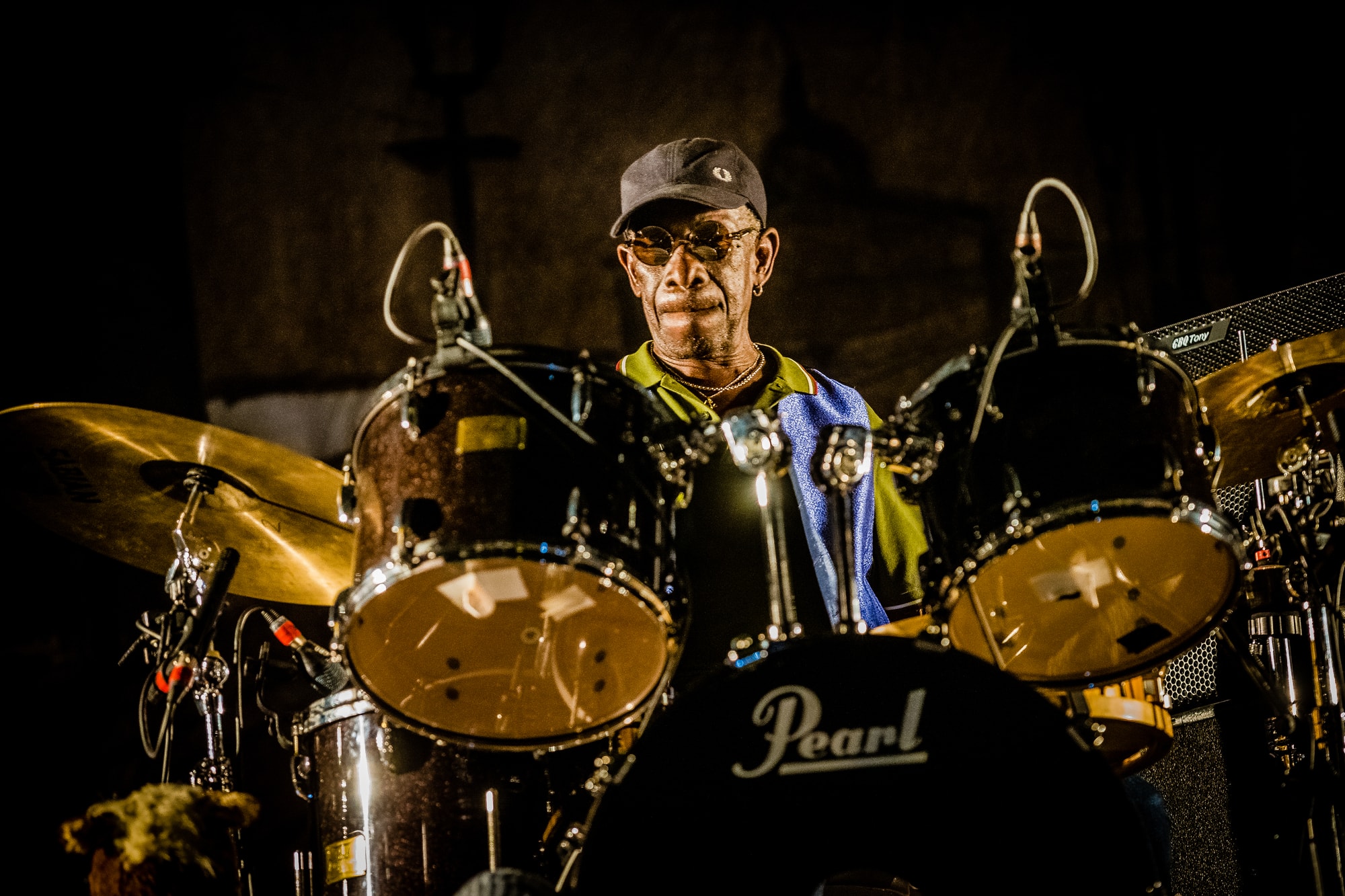
The Best Jazz Drum Sets in 2025
Jazz drumming rewards restraint, touch, and tone. The kit you play on matters more here than in most other genres because jazz exposes every overtone, every ring, every imperfection. A rock kit can hide behind volume. A jazz kit cannot.
This guide covers what makes a drum set actually work for jazz, which specific kits are worth buying in 2025, and how to avoid spending money in the wrong places. If you are just starting out and want something versatile across genres, our beginner drum sets guide covers broader options. This article is specifically about kits suited to jazz playing.
What Makes a Jazz Drum Set Different
Jazz kits are not just smaller versions of rock kits. They are built around different priorities: resonance over attack, sustain over punch, and dynamic range over raw volume.
Shell Sizes
Standard jazz (or “bop”) kit sizes run smaller than what you see in rock or pop:
- Bass drum: 18” x 14” (sometimes 20”, rarely larger)
- Snare drum: 14” x 5” or 14” x 5.5”
- Rack tom: 12” x 8” (or 10” x 7” on ultra-compact kits)
- Floor tom: 14” x 14”
The 18” bass drum is the defining feature. It produces a rounder, more melodic tone than a 22” rock kick. You can tune it higher without it sounding choked, which matters because jazz bass drum work is often felt more than heard. Players like Brian Blade and Bill Stewart have made the 18” kick standard in modern jazz.
Some players go even smaller. The Sonor AQ2 Martini uses a 14” bass drum, which works surprisingly well for intimate club gigs where stage space is tight and you need to keep volume in check.
Shell Materials
Shell material shapes your fundamental tone. For jazz, you generally want warmth and resonance over brightness and projection.
Maple is the most common choice for jazz kits. It produces warm, rounded tones with balanced frequency response. Most mid-range and professional jazz kits use maple shells. It is forgiving across a wide tuning range, which matters because jazz drummers retune constantly depending on the room and the ensemble.
Mahogany delivers darker, warmer tones with emphasized low-mids. The Gretsch Catalina Club uses mahogany shells, which is part of why it sounds so distinctly “vintage jazz.” Mahogany punches above its price point in terms of tonal character.
Birch is brighter and more focused, with pronounced high-end and strong projection. The Yamaha Stage Custom Bop uses 100% birch shells. Birch works well for jazz players who also do funk, fusion, or need to cut through a louder ensemble.
Poplar and other budget woods are found on entry-level kits like the Pearl Roadshow. They will not give you the tonal depth of maple or mahogany, but a well-made poplar shell from a reputable manufacturer is perfectly adequate for learning and casual playing.
Configuration: 3-Piece vs. 4-Piece
Most jazz players use a 4-piece kit: bass drum, snare, one rack tom, one floor tom. This is the setup you see on virtually every mainstream jazz recording since the 1950s.
A 3-piece shell pack (bass drum, rack tom, floor tom) is also common, particularly from brands like Ludwig and Yamaha. You then add your own snare drum separately, which many experienced players prefer since the snare is the most personal element of any kit.
There is no need to go larger than 4 pieces for jazz. The genre rewards getting more out of less. If you find yourself wanting a second rack tom, consider whether you actually need it or whether you need to work on your musicality with fewer voices. That said, there are no rules — Art Blakey played larger setups when the music called for it.
The Best Jazz Drum Sets
Sonor AQ2 Bop — Best Overall
Sonor was one of the first manufacturers to take compact kits seriously, and the AQ2 Bop is the result of years of refinement. This is a 4-piece maple shell pack (18” kick, 12” rack tom, 14” floor tom, 14” snare) that covers every jazz scenario from small club dates to studio sessions.
The maple shells produce warm, earthy tones with controlled sustain. The 18” bass drum hits a sweet spot where it sounds full and musical without overwhelming the rest of the ensemble. The included snare drum is unusually good for a shell pack — it has 10 lugs (most kits at this price have 8), allowing finer tuning control and a wider usable range.
Sonor’s hardware quality is a step above the competition. Everything feels solid and stays put, which is not always the case with compact kits.
Who it is for: Intermediate to advanced players who want a dedicated jazz kit that sounds professional out of the box. Expect to spend around $900-1,100 for the shell pack.
One caveat: The stock drum heads are mediocre. Budget for a set of coated single-ply heads (Remo Coated Ambassador or Evans G1 Coated) to unlock the kit’s full potential. Check our guide to drum heads for toms for specific recommendations.
Ludwig NeuSonic — Best for Tone
Ludwig kits were the sound of jazz from the 1920s through the 1960s, and the NeuSonic carries that heritage forward with modern construction. This is a 3-piece shell pack (20” kick, 12” rack tom, 14” floor tom) with shells made from a blend of maple and cherry wood.
The maple gives punch and warmth, while the cherry wood adds projection and complexity. The result is a drum that sounds rich, resonant, and unmistakably “musical” — you can hear the wood character in every stroke. The low-mass claw hooks on the bass drum allow the shell to vibrate more freely, contributing to a big, open tone.
The 20” kick is slightly larger than a traditional bop size but works beautifully for players who cross between jazz and other genres. If you strictly need 18”, look elsewhere. But if you play jazz trio gigs on Friday and a singer-songwriter date on Saturday, the NeuSonic handles both.
Who it is for: Players who prioritize tone above all else and do not mind buying a snare drum separately. Street price runs around $800-1,000.
Gretsch Catalina Club Jazz — Best Mid-Range Value
The Gretsch Catalina Club has been a staple of jazz drumming for years, and for good reason. The 4-piece shell pack (18” kick, 12” rack tom, 14” floor tom, 14” snare) uses mahogany shells that deliver a dark, warm tone straight out of the 1950s.
Gretsch’s 30-degree bearing edges are a distinguishing feature. Most manufacturers use 45-degree edges, which produce a brighter attack. The shallower Gretsch edge lets the shell resonate more, resulting in a fatter, more vintage sound. This is the character that made Gretsch the go-to brand for jazz legends like Mel Lewis and Elvin Jones.
The kit is easy to tune, even for beginners, which is not something you can say about every mahogany kit. The price-to-quality ratio is hard to beat — you get genuinely professional tonal characteristics at an intermediate price point.
Who it is for: Anyone who wants that classic warm jazz sound without spending professional-level money. Typically available for $650-850 as a shell pack on Amazon or Sweetwater.
Yamaha Stage Custom Bop — Best Budget Jazz Kit
Yamaha’s Stage Custom series has a reputation for punching well above its price, and the Bop version is no exception. This 3-piece shell pack (18” kick, 12” rack tom, 14” floor tom) uses 100% birch shells.
Birch gives these drums a focused, clear tone with slightly more high-end than maple. That translates to excellent articulation — fast ghost notes and brush work come through cleanly. The birch shells also project well, making this a good pick for louder jazz settings or fusion gigs where you need to be heard alongside electric instruments.
Yamaha’s YESS mounting system keeps the rack tom stable and resonant. It is one of the better mounting systems at this price point, and it means the tom does not choke or lose sustain from being clamped too tightly.
Who it is for: Budget-conscious players who want a reliable jazz kit from a major manufacturer. Available for around $500-650.
Tama Club-JAM — Best for Portability
The Club-JAM is built for drummers who need to carry their kit through narrow doorways, up stairs, and into venues where space is at a premium. The 4-piece shell pack (18” kick, 10” rack tom, 14” floor tom, 13” snare) uses mersawa and poplar shells.
At roughly 30% lighter than a standard kit, the Club-JAM is genuinely easy to transport. The compact sizes do not sacrifice tone as much as you might expect — the 18” kick has decent low-end warmth, and the toms produce a surprisingly full sound for their shallow depths.
The included cymbal boom mount that attaches to the bass drum is a practical touch for small stages. It means one fewer stand to carry.
Who it is for: Gigging jazz musicians who prioritize portability and play small venues regularly. Street price around $400-550 on Amazon.
Limitations: Fewer tuning lugs than the competition means less fine-tuning capability. No memory locks on the bass drum legs or cymbal mount, so you will need to mark your positions with tape if consistency matters.
Pearl Roadshow — Best for Beginners
The Pearl Roadshow is the most affordable complete jazz setup on this list. The 4-piece configuration (18” kick, 10” rack tom, 14” floor tom, 13” snare) comes with everything you need to start playing immediately: cymbals (16” crash/ride, 14” hi-hats), all hardware, a kick pedal, and a drum throne.
The poplar shells will not win any tone awards, but they are built on Pearl’s manufacturing expertise, which means consistent quality even at budget prices. The included cymbals are basic but functional for practice and learning.
Pearl backs the Roadshow with a lifetime warranty, which is remarkable at this price point.
Who it is for: Absolute beginners who want a single purchase that gets them playing jazz without additional expenses. If you are exploring drums across genres, our beginner drum sets guide covers the full Roadshow lineup including larger configurations.
Cymbals Matter More Than Drums in Jazz
This is the single most important piece of advice in this entire guide: in jazz, your cymbal budget should be larger than your drum budget.
The ride cymbal is the primary voice of jazz drumming. It carries the time, provides texture, and defines your sound more than any other piece of the kit. A cheap ride cymbal on a great drum set will sound worse than a great ride cymbal on a cheap drum set.
Prioritize in this order:
- Ride cymbal (20” or 22” — look for something with a clear stick definition and musical wash)
- Hi-hats (14” is standard)
- One crash/ride (many jazz players use a second ride instead of a dedicated crash)
Brands like Zildjian (K series), Sabian (HHX), and Meinl (Byzance) make jazz-specific cymbals that are designed for lower volume playing with complex overtones. Expect to spend $200-400 on a quality ride cymbal alone. It is worth it.
For recording your jazz setup, proper mic placement makes a huge difference. Our guide to the best overhead drum mics covers what works for capturing the natural sound of a jazz kit in a room.
Tuning and Heads for Jazz
Coated Heads Are Non-Negotiable
If you play jazz, you need coated drum heads. Period. Brushes — a fundamental jazz technique — do not work properly on clear heads. The coating provides the texture that creates the characteristic “swish” sound.
Remo Coated Ambassador and Evans G1 Coated are the standard choices for jazz. Both are single-ply heads that allow maximum resonance from the shell. Two-ply heads (like Remo Pinstripes or Evans G2) dampen too much overtone for most jazz applications. If you want to explore head options further, our drum heads for toms guide breaks down the differences in detail.
For snare drum head options that cross over into harder genres, see our roundups for rock drum heads and metal drum heads.
Tuning Higher Than You Think
Jazz drums are tuned higher than rock or pop drums. The toms should sing, not thud. A well-tuned jazz tom will have a clear pitch center with sustain that decays naturally. If your toms sound dead and flat, you are probably tuned too low or using heads that are too thick.
The bass drum should also be tuned higher than rock conventions. Many jazz players use little to no muffling inside the kick, letting the drum ring and resonate. A pillow inside a jazz bass drum is almost always the wrong call.
What to Spend and Where to Save
Here is a practical budget breakdown for a complete jazz setup:
| Component | Budget Range | Where to Prioritize |
|---|---|---|
| Shell pack (4-piece) | $400 - $1,100 | Maple or mahogany shells, 18” kick |
| Ride cymbal | $200 - $400 | The single most important purchase |
| Hi-hats (14”) | $150 - $300 | Clear stick definition, clean chick sound |
| Crash/ride or second ride | $150 - $300 | Complex wash, low volume capability |
| Hardware | $100 - $300 | Lightweight stands are fine for jazz |
| Drum heads (coated) | $50 - $80 | Single-ply coated for all drums |
| Drum throne | $50 - $150 | Comfort matters for long sets |
Total realistic range: $1,100 - $2,600 for a complete, gig-ready jazz setup.
If you are on a tight budget, buy the best ride cymbal you can afford and get a cheaper drum kit. You will sound better than someone with an expensive kit and a cheap ride. This is not opinion — ask any working jazz drummer.
Acoustic Alternatives Worth Considering
If you want percussion that fits into jazz settings without a full drum kit, the cajon has become increasingly popular in acoustic jazz and Latin jazz ensembles. It handles brushes well, takes up almost no stage space, and pairs naturally with upright bass and guitar.
Final Thoughts
The best jazz drum set is the one that responds to your touch and fits the musical context you play in. A Sonor AQ2 Bop or Ludwig NeuSonic will serve you well for years at a professional level. A Gretsch Catalina Club or Yamaha Stage Custom Bop delivers serious jazz tone at a more accessible price. And a Pearl Roadshow or Tama Club-JAM gets you started without financial stress.
Whatever you choose, remember that the kit is only part of the equation. Jazz drumming is about ears, dynamics, and interaction with other musicians. The best investment you can make alongside a good kit is time spent listening to records by Max Roach, Tony Williams, and Roy Haynes — and then trying to play along.