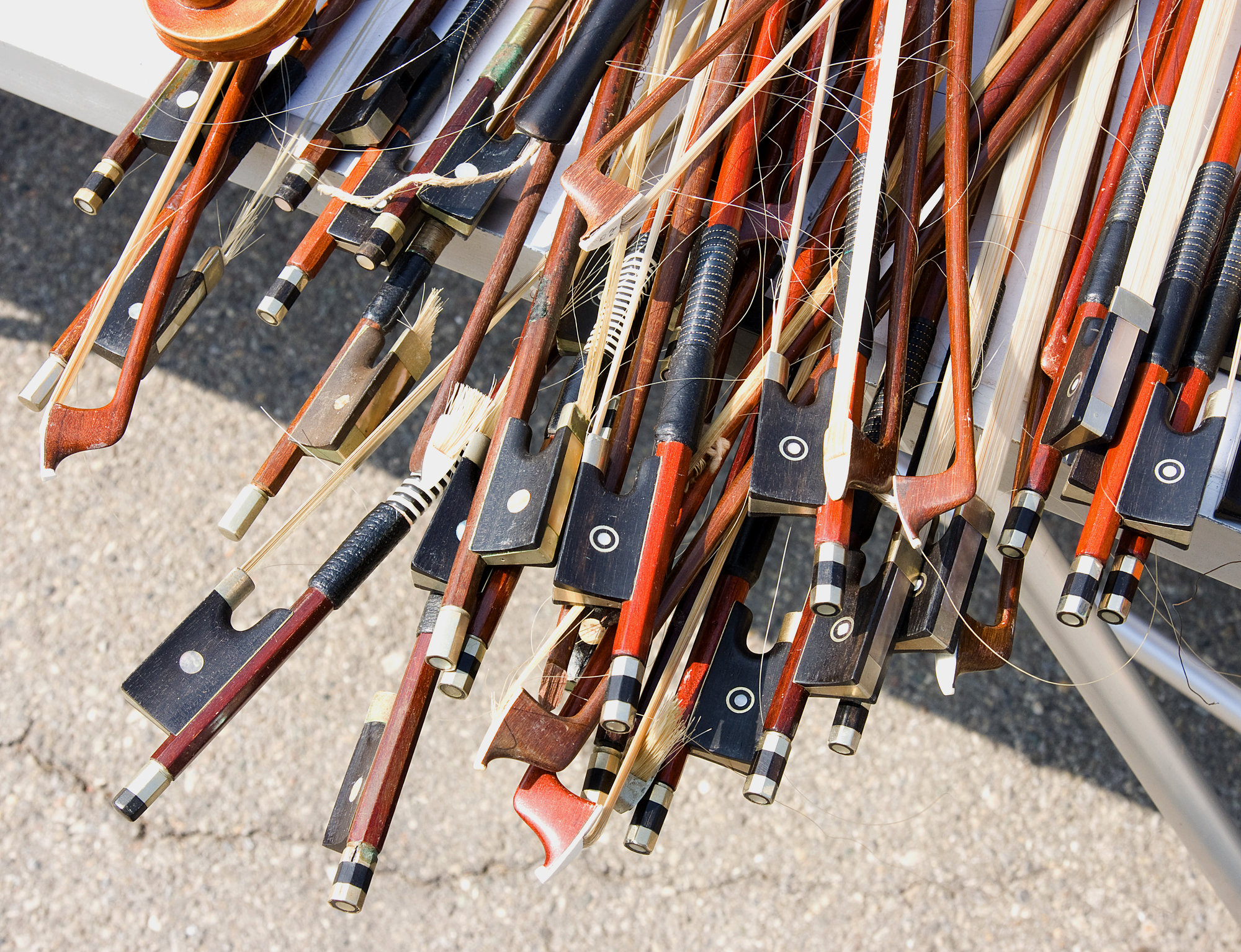
The Best Violin Bows in 2025
Your bow matters at least as much as your violin. A great violin paired with a poor bow will sound mediocre, while a decent violin paired with a well-matched bow can sound surprisingly good. As the French bow maker Francois Tourte put it over two centuries ago: “The violin, it is the bow.”
If you are upgrading from the bow that came with your starter violin, you will immediately notice the difference in tone, control, and how easily you can execute different bowing techniques. This guide covers what to look for, the three main bow materials, and specific recommendations for every level of player.
How to Choose a Violin Bow
Before looking at specific models, understand the four things that actually matter when selecting a bow.
1. How It Sounds on Your Violin
No single bow sounds best on every violin. Some bows produce a warmer, darker tone. Others are brighter and more projecting. The right match depends on your instrument and what you need from it.
A chamber musician might want a mellow, blending tone, while a soloist needs a bow that can project over an orchestra. If possible, try several bows on your own violin before buying. Many shops offer trial programs where they ship you a selection to test at home.
2. How It Feels in Your Hand
Two factors drive how a bow feels:
- Weight and balance — The average violin bow weighs around 60 grams. A bow that is heavier toward the tip feels more stable for smooth legato playing but requires more work from your pinky finger. A bow that is lighter at the tip (or lighter overall) is more agile for spiccato, ricochet, and fast passages. Neither is universally better — it depends on your playing style and repertoire.
- Stiffness — A stiffer bow gives you more control and a more focused sound. A softer, more flexible bow makes spiccato and bouncing strokes easier but can feel less precise. You want a balance. Too stiff feels rigid and unresponsive; too soft feels wobbly and lacks projection.
If you are a beginner, start with a bow in the middle of the weight and stiffness range. As your technique develops, you will develop preferences.
3. Durability and Climate Resistance
Wooden bows expand and contract with temperature and humidity changes. If you perform outdoors, travel frequently, or live in a climate with big seasonal swings, a carbon fiber bow will hold up better. This is one reason many professional players own both a wood and a carbon fiber bow — using the carbon fiber for rehearsals, outdoor gigs, and travel while reserving the wood bow for concert performances.
4. Material
The material is the single biggest decision. It affects sound, durability, weight, and how much you will spend. There are three main options.
Violin Bow Materials Explained
Brazilwood
Brazilwood is a general term for tropical hardwoods from South America used in entry-level bows. These bows offer stable hand control and a predictable feel, which makes them suitable for beginners who are still developing their bow hold and arm weight technique.
The trade-off is that Brazilwood bows tend to lack the responsiveness and tonal complexity of better materials. They are also more susceptible to warping over time. If you are just starting out and want to keep costs low, Brazilwood is a reasonable starting point. The Cecilio Brazilwood Violin Bow is the go-to budget option in this category.
Pernambuco
Pernambuco has been the preferred wood for professional violin bows since the 18th century. It is a dense, elastic hardwood from Brazil that produces a uniquely warm, resonant sound. When you play with a quality Pernambuco bow, you can feel the vibrations transfer through the stick — something carbon fiber cannot quite replicate.
The downsides are significant. Pernambuco is now a protected endangered species, which has driven up costs. Wooden bows are also more fragile — they can crack if dropped, warp with humidity changes, and require regular rehairing to maintain performance. A Pernambuco bow demands careful storage and handling.
For players ready to invest in a wood bow, the D Z Strad Violin Bow offers genuine Pernambuco heartwood at a fraction of what a luthier-made bow would cost.
Carbon Fiber
Carbon fiber bows have become the default recommendation for most players, and for good reason. The material is extremely durable, unaffected by temperature and humidity, and can be manufactured to consistent specifications. A well-made carbon fiber bow delivers good sound quality, reliable performance, and practically zero maintenance.
The technology has improved dramatically over the past two decades. Modern carbon fiber bows from reputable makers like Fiddlerman, CodaBow, and JonPaul are capable of nuanced, musical performance that would have been unthinkable from composite bows a generation ago. Many professional orchestral players now use carbon fiber bows as their primary bow or at minimum keep one as a gigging backup.
The main limitation is at the very top end. A fine Pernambuco bow from a skilled maker can produce tonal subtleties and a “singing” quality that even the best carbon fiber has not fully matched. But for the vast majority of players — from beginners through serious amateurs and working professionals — carbon fiber offers the best combination of performance, durability, and value.
Best Violin Bows by Category
Best Carbon Fiber Bow: Fiddlerman Carbon Fiber Violin Bow
The Fiddlerman Carbon Fiber Violin Bow is the most recommended budget carbon fiber bow in the violin community, and it earns that reputation. The stick has a well-shaped arch with good natural bounce, the weight distribution is balanced, and the Mongolian horsehair grips strings cleanly from the first rosining.
At 2.12 ounces, it is light enough for extended practice sessions without fatiguing your hand, but not so light that it feels flimsy. The balance point sits where it should, making string crossings and bow changes feel natural. It is available in 4/4, 3/4, 1/2, and 1/4 sizes, so younger students can benefit from the same quality.
The one common complaint is that the bow hair may need replacing sooner than you would expect with higher-end bows. That is a fair trade-off given the overall value. If your current bow came bundled with a starter violin, upgrading to the Fiddlerman will make an immediately noticeable difference in your tone and control.
Best for: Beginners through intermediate players, students upgrading from a starter bow, anyone wanting a reliable carbon fiber bow without overspending.
Best Bow for Intermediate Players: CodaBow Diamond GX
The CodaBow Diamond GX Carbon Fiber is a step up in both construction and performance. CodaBow is a well-established American maker that has been refining carbon fiber bow technology since the early 1990s. Their Diamond GX uses a proprietary acoustic Kevlar core combined with carbon fiber, which gives the bow a distinctive combination of warmth and power.
The stick is well-balanced at 2.15 ounces with a consistent feel from frog to tip. It handles the transition between detache and spiccato smoothly, and it has enough stiffness for clean staccato work. The aesthetic is attractive — the weave pattern of the composite material looks refined rather than industrial.
This bow is best suited for intermediate players who have developed enough technique to feel the limitations of a basic bow. The GX responds well to subtle changes in arm weight and bow speed, rewarding players who are working on their dynamics and articulation. It is also durable enough for regular performance use.
Best for: Intermediate players, advancing students, anyone upgrading from an entry-level carbon fiber bow.
Best Wooden Bow: D Z Strad Pernambuco Violin Bow
The D Z Strad Violin Bow is handmade from genuine Pernambuco heartwood and strung with Grade AAAA Mongolian horsehair. For players who want the warmth and resonance of a traditional wooden bow without commissioning one from a luthier, this is the most accessible option.
The sound is noticeably different from carbon fiber — warmer, with more tonal color and a natural “singing” quality on sustained notes. You can feel the wood vibrate as you play, which gives you more feedback about your contact point and bow pressure. The craftsmanship is solid for the category, with a properly fitted ebony frog and a well-shaped stick.
The downside is durability. Like all wooden bows, it needs careful storage in a climate-controlled environment. It should not be exposed to extreme temperature or humidity changes, and it should always live inside a proper violin case when not in use. If you drop it or bump the tip on a music stand, you risk a crack that cannot be repaired.
Best for: Intermediate to advanced players who prioritize tone, orchestral and chamber musicians, players who already own a carbon fiber bow and want a wood bow for concerts.
Best Beginner Bow: CodaBow Prodigy
The CodaBow Prodigy is purpose-built for new players. It is handcrafted in the USA using premium components, and it feels more refined than most bows in the beginner tier. CodaBow specifically designed the Prodigy’s weight and balance for developing players who are still building their bow hold.
At 2.15 ounces, it sits in the comfortable middle range. The carbon fiber construction means you do not have to worry about climate damage while your student learns proper instrument care. The silver medal horsehair provides a good grip on the strings without being overly aggressive.
Some players report that the Prodigy can feel less responsive when attempting advanced techniques. That is by design — it is optimized for stability and ease of control rather than maximum expressiveness. By the time you outgrow it, you will have the technique to evaluate and choose a more advanced bow.
Best for: Students starting out, parents buying for a child, anyone who wants a forgiving bow that encourages good habits.
Best Budget Bow: Cecilio Brazilwood Violin Bow
The Cecilio Brazilwood Violin Bow is the entry-level standard. If you are not yet sure whether the violin is something you want to pursue long-term, or you simply need a functional bow at the lowest possible cost, this gets the job done.
The Brazilwood stick is lightweight with decent balance. The unbleached horsehair produces an acceptable tone once properly rosined. The ebony frog is serviceable.
The limitations are real, though. Brazilwood warps more easily than Pernambuco or carbon fiber, so the bow may develop a curve over time, especially in humid environments. The tone lacks the richness and complexity you get from better materials. And it will not respond well to advanced techniques like spiccato or ricochet.
Think of this as a placeholder bow — good enough to learn the basics, but something you will want to upgrade from once you are committed to playing. When you are ready, move up to the Fiddlerman carbon fiber or the CodaBow Prodigy.
Best for: Complete beginners testing the waters, backup bows for young students.
Best Backup and Travel Bow: Kmise Carbon Fiber Violin Bow
The Kmise Carbon Fiber Violin Bow fills the role that every gigging violinist needs: a reliable spare you can throw in a gig bag without worrying about it. The carbon fiber construction shrugs off temperature changes and rough handling, and the Mongolian horsehair plays well after rosining.
The frog quality is good for the category, and the weight (2.3 ounces) is on the heavier side, which some players actually prefer for outdoor gigs where wind can affect lighter bows. It is available in multiple sizes from 1/4 to 4/4.
Some players note that the tip balance is not as refined as the Fiddlerman. That is a fair criticism, but for a backup or travel bow, it is more than adequate. Keep your primary bow safe in its case and use this one for rehearsals, outdoor performances, and sessions where you want to keep the wear off your main bow.
Best for: Backup bows, outdoor gigs, travel, younger students who tend to be rough on equipment.
Violin Bow Weight Guide
Bow weight directly affects tone and playability, but there is no single “correct” weight. It is subjective — what feels comfortable and sounds good to you matters more than any number on a scale.
That said, here are practical guidelines:
- Light (under 58g) — Easier to control for fast passages and bouncing strokes. Can feel insubstantial for sustained, legato playing. Good for players with smaller hands or those who experience fatigue.
- Medium (58-62g) — The sweet spot for most players. Balanced enough for both sustained and off-the-string techniques.
- Heavy (over 62g) — Produces a bigger, fuller tone. Requires more developed technique to control, especially at the tip. Preferred by some orchestral players who need volume.
A full-size (4/4) bow suits anyone over about 11 years old. Younger or smaller players should match their bow size to their violin size — 3/4, 1/2, or 1/4.
Balance matters more than absolute weight. A 62-gram bow with weight concentrated near the frog will feel lighter and more agile at the tip than a 58-gram bow with forward balance. Always test how a bow feels during actual playing rather than just weighing it.
If you are pairing a new bow with a new instrument, our guides to the best intermediate violins and best electric violins cover what to look for on the other side of the equation.
Carbon Fiber vs. Wood: Which Should You Buy?
This is the most common question, and the honest answer is: carbon fiber for most players.
Here is when each material makes sense:
Choose carbon fiber if:
- You are a beginner or intermediate player
- You perform outdoors or travel with your violin
- You want low maintenance and high durability
- You want consistent performance regardless of weather
- Your budget is limited
Choose Pernambuco if:
- You are an advanced player who can feel and exploit tonal subtleties
- You play primarily indoors in controlled environments
- You are willing to invest in proper care and regular rehairing
- You want the warmth and resonance that wood provides
- You already own a carbon fiber bow for backup use
Choose Brazilwood if:
- You are just starting out and need the lowest cost option
- You want a temporary bow while deciding whether to commit to the violin
Many serious players end up owning both. A carbon fiber bow handles rehearsals, outdoor gigs, and travel. A Pernambuco bow comes out for concerts and recording sessions where every tonal nuance counts. If you are interested in how different string choices also affect your sound, that pairing (bow plus strings) is worth experimenting with.
How to Care for Your Violin Bow
Regardless of material, a few habits will extend the life of your bow:
- Loosen the hair after every playing session. Leaving the bow tensioned overnight stretches the hair and warps the stick over time.
- Keep your bow in its case. A quality violin case with bow holders protects against impacts and environmental changes.
- Rehair regularly. Horsehair wears out and loses its grip. Most players need a rehair every six to twelve months, depending on how much they play.
- Clean rosin buildup off the stick. Use a soft, dry cloth to wipe down the stick after playing. Rosin buildup on the wood or carbon fiber can affect the bow’s weight balance over time.
- Never touch the hair with your fingers. Oils from your skin coat the hair and prevent rosin from adhering properly.
Final Verdict
For most violinists, the Fiddlerman Carbon Fiber Violin Bow is the best overall value. It delivers good sound, reliable performance, and real durability at a price point that makes sense for students and gigging musicians alike.
If you are ready to step up, the CodaBow Diamond GX is the natural next move — a more refined bow that will reward your improving technique.
And if you want the tonal richness of a traditional wooden bow, the D Z Strad Pernambuco gives you genuine Pernambuco craftsmanship without the four-figure price tag of a custom luthier bow. Just be prepared to treat it carefully.
Whatever you choose, remember that upgrading your bow is one of the highest-impact improvements you can make to your playing. If you are still using the bow that came in a beginner violin package, swapping it out will change how your instrument sounds and how you feel while playing it.