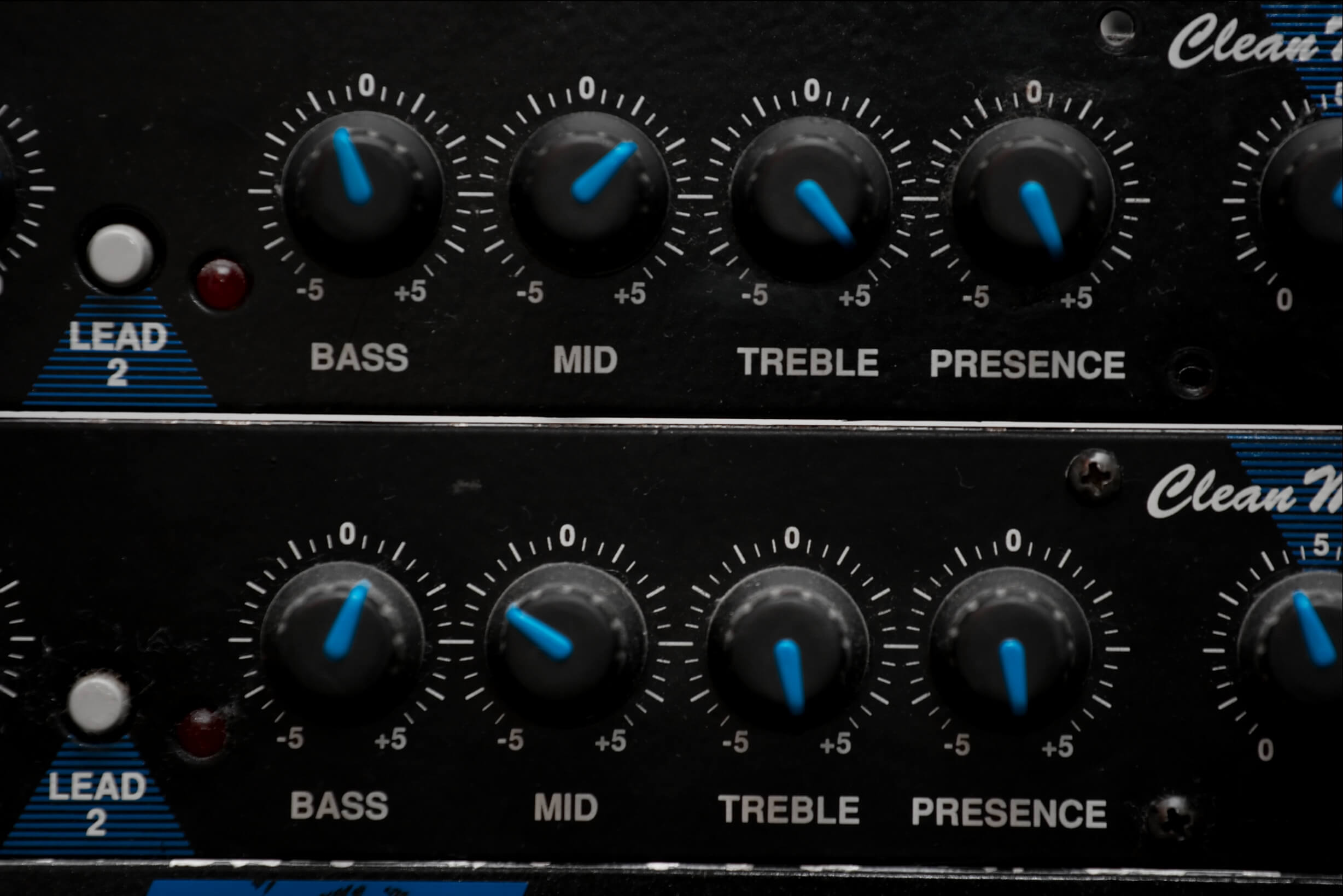
6 Best Guitar Preamp Pedals to Check Out in 2025
A preamp pedal takes the front end of a guitar amplifier — the part that shapes your tone, adds gain, and drives the signal — and puts it in a stompbox. Some players use one to add a second channel to a single-channel amp. Others build their entire rig around a preamp pedal running into a power amp or directly to a PA via a cab simulator. Either approach works, and neither requires hauling a 50-pound amp head to the gig.
The preamp pedal market has matured significantly since the early days of the Tech 21 SansAmp. You can now find pedals with real tubes, multi-channel switching, built-in cab simulation, and DI outputs that sound good enough for professional recording. The tradeoff is that there are dozens of options, and picking the right one depends on what you actually need it to do.
This guide covers six preamp pedals that handle different use cases well — from a flexible studio preamp to a high-gain metal monster. If you are building out a pedalboard with other effects, you might also want to look at synthesizer guitar pedals for more creative sound design options.
What a Preamp Pedal Actually Does
Before getting into specific pedals, it helps to understand what the preamp stage does inside a guitar amp. Your pickups produce a weak electrical signal. The preamp boosts that signal to a usable level and shapes its frequency content through EQ controls (treble, mid, bass). In tube amps, the preamp stage also introduces harmonic distortion as the tubes are pushed harder — that is where overdrive and crunch tones come from.
A preamp pedal replicates this stage. Most use solid-state circuitry to model the behavior of tube preamp circuits, though some (like the Victory V4 series or Tone King Imperial) use actual vacuum tubes. The result is a pedal that can produce amp-like tones — clean headroom, responsive overdrive, musical EQ shaping — without the amp itself.
This is different from a standard overdrive or distortion pedal. An overdrive pedal clips the signal to produce gain. A preamp pedal does that too, but it also handles EQ shaping, signal level management, and often includes outputs designed for direct recording or live sound reinforcement. A preamp is a more complete tone-shaping tool.
Best Guitar Preamp Pedals at a Glance
| Pedal | Best For | DI Output | Tubes |
|---|---|---|---|
| JHS Colour Box V2 | Studio recording and versatility | Yes (XLR) | No |
| Victory V4 Kraken | High-gain tube tone in pedal form | No | Yes (3x CV4014 + EC900) |
| Hudson Broadcast | Edge-of-breakup and classic crunch | No | No (germanium transistor) |
| Universal Audio UAFX Lion ‘68 | Authentic amp modeling with cab sim | Yes (headphone) | No (digital) |
| Tech 21 SansAmp Character Plus Series | Gigging direct without an amp | Yes (XLR) | No |
| TC Electronic Ampworx Series | Budget amp-voiced preamps | No | No |
JHS Colour Box V2
The Colour Box V2 is not a typical guitar preamp. JHS designed it around a Neve-style console preamp circuit, which means it handles guitars, basses, microphones, keyboards, and line-level signals equally well. That flexibility makes it one of the most useful preamp pedals you can own if you do any recording at all.
The control set includes volume, treble, midrange, bass, a high-pass filter, and a master output level. The preamp gain goes from transparent clean to thick, saturated fuzz — push the volume knob past noon and the Neve-style circuit starts breaking up in a way that sounds musical rather than harsh. The three-band EQ is genuinely useful and interactive, not a token addition.
The XLR output with phantom power acceptance means it works as a DI for live use and a standalone recording preamp for home studios. The Step button adds a preset boost level, which is handy for lead tones or switching between rhythm and lead volumes without a separate boost pedal.
Who it suits: Guitarists who record at home or in studios and want a preamp that doubles as a high-quality DI and recording front end. Also works well for players who use multiple instruments and want one preamp that handles all of them.
Victory V4 Kraken
The Victory V4 Kraken is one of the few preamp pedals that uses real vacuum tubes — three CV4014 valves and an EC900, to be specific. This is not a digital emulation or a solid-state approximation. It is an actual tube preamp circuit in a pedalboard-friendly enclosure.
The Kraken is voiced for high-gain applications. The two channels cover clean-to-crunch (green) and full-on modern high-gain (red), with independent gain and volume controls for each. A shared three-band EQ shapes both channels. The gain on tap is enormous — this pedal can hang with a full-size tube amp head for saturation and harmonic complexity.
Because it uses real tubes, it responds to pick dynamics the way a tube amp does. Roll back your guitar’s volume knob and it cleans up. Dig in harder and it compresses and saturates. That dynamic response is what separates tube preamps from most solid-state alternatives.
The main limitation is that it does not include a cab simulator or DI output. You will need an external cab sim (or an actual power amp and cabinet) to use it for direct recording or live PA work. The tubes will also need replacing eventually, though Victory designed the enclosure for easy tube access.
Who it suits: Players who want genuine tube amp tone on a pedalboard. Particularly strong for metal, hard rock, and any genre where high-gain dynamics matter. Pair it with a cab sim pedal for a complete ampless rig.
Hudson Broadcast
The Hudson Broadcast is based on a vintage broadcast console preamp circuit — specifically, the type used in 1960s and 70s recording studios and radio stations. It uses a germanium transistor in its clipping stage, which gives it a warm, organic breakup character that does not sound like a standard overdrive pedal.
The controls are simple: gain, volume, low cut, and a bright switch. There is no mid control or parametric EQ. The simplicity is deliberate. The Broadcast is designed to do one thing well: push your signal from clean through edge-of-breakup to full crunch, with the germanium clipping providing texture and harmonic richness at every gain setting.
The dual-footswitch version adds a second channel with independent gain and volume, which is useful for having a rhythm tone and a louder, gainier lead tone available without bending down. The build quality is excellent — hand-assembled in the UK with quality components.
The Broadcast has become a staple on professional pedalboards, particularly among players who value touch sensitivity and dynamic response over high gain. It stacks well with other pedals, acting as a foundation tone that other effects sit on top of.
Who it suits: Blues, indie, classic rock, and country players who want an always-on preamp that responds to playing dynamics. Also works well as a boost into a tube amp’s front end.
Universal Audio UAFX Lion ‘68
Universal Audio brought their studio modeling expertise to the pedalboard with the UAFX series, and the Lion ‘68 Super Lead models a cranked Marshall Plexi — one of the most sought-after amp tones in rock history. Unlike analog preamp pedals, the Lion uses UAFX’s dual-engine processing to model the entire amp circuit, including the power amp stage and speaker cabinet.
The pedal includes three amp voicings: the stock Plexi, a modded high-gain version, and a third variation. Each has its own gain, tone, and level controls. The built-in cab simulation is where UAFX pedals separate themselves from the competition — the cab modeling is convincingly realistic and makes the pedal genuinely usable for direct recording without additional processing.
The stereo outputs and headphone jack mean you can practice silently, record directly into an interface, or run into a PA system. UAFX’s app lets you swap amp models if you want different voicings than the stock options.
The downsides are digital latency (minimal but present), the need for a dedicated high-current power supply, and the larger enclosure size. But if you want a Plexi tone for recording without owning a vintage Marshall, this is the most convincing option in pedal form.
Who it suits: Recording guitarists who want authentic vintage amp tones with built-in cab simulation. Also strong for gigging players who want to go direct to PA without carrying an amp.
Tech 21 SansAmp Character Plus Series
Tech 21 invented the amp-in-a-box preamp pedal category with the original SansAmp in 1989. The Character Plus series represents their latest refinement: individual pedals voiced after specific amp types (Fender-style, Marshall-style, Vox-style, Mesa-style, and more), each with an analog SansAmp circuit, XLR DI output, and built-in speaker simulation.
Each pedal in the series shares a common control layout: volume, gain, bass, mid, treble, and a Character knob that sweeps through the voicing from clean to fully saturated. The speaker simulation is switchable, so you can use it direct to a board with the sim engaged, or run it into an amp’s front end with the sim bypassed.
The XLR output makes these pedals legitimate gigging tools. Plug into the PA, dial in your amp tone, and you have a consistent sound every night regardless of the venue’s backline. Plenty of touring professionals use SansAmp pedals as their primary tone source for exactly this reason.
The Character Plus series is entirely analog — no digital conversion, no latency, no firmware updates. The tradeoff is that each pedal does one amp type. If you want Fender cleans and Marshall crunch, you need two pedals. But each one nails its specific voicing convincingly enough to replace the amp it emulates for most practical purposes.
Who it suits: Gigging guitarists who need a reliable direct tone for fly dates and pickup gigs. Also works well as a backup rig or practice solution. If you play bass, Tech 21’s SansAmp Bass Driver is the equivalent in the low-frequency world.
TC Electronic Ampworx Series
TC Electronic’s Ampworx series brings amp-voiced preamp pedals to a lower price point without cutting corners on tone. The range includes models voiced after Fender, Marshall, Mesa, and Hiwatt-style amps, each built with analog circuitry and TC’s proprietary tone-shaping technology.
The standout in the range is the Dual Wreck, a dual-channel preamp voiced after the Mesa Dual Rectifier. It delivers convincing high-gain tones with a tight low end and aggressive midrange that the original amp is known for. The two channels let you switch between rhythm and lead tones, and the shared EQ section shapes both channels effectively.
For cleaner voicings, the Combo Deluxe ‘65 models the Fender Deluxe Reverb — a pedal-sized version of one of the most recorded amps in history. It captures the chimey clean tones and smooth breakup that make the original amp a studio staple.
The Ampworx pedals lack DI outputs and cab simulation, which means you will need external solutions for direct recording. But for running into an amp’s effects return or a separate power amp, they deliver amp-like tones at a fraction of what most preamp pedals cost.
Who it suits: Budget-conscious players who want amp-specific voicings for practice, recording into an amp’s effects loop, or as a tone-shaping foundation for a pedalboard. A smart entry point into preamp pedals without a major investment.
How to Choose a Guitar Preamp Pedal
Decide How You Will Use It
This is the most important question, and it narrows your options immediately:
- As a second channel for your amp: You need a pedal with good gain staging and an EQ that complements your amp’s own tone. The Hudson Broadcast and TC Electronic Ampworx pedals work well here.
- As your entire amp (direct to PA or interface): You need a pedal with a DI output and cab simulation, or a separate cab sim pedal downstream. The UAFX Lion, Tech 21 Character Plus, and JHS Colour Box V2 all handle this.
- As a recording preamp: Prioritize DI quality and tonal flexibility. The JHS Colour Box V2 was designed for this exact role.
- As an amp-in-a-box for your pedalboard: The Victory V4 Kraken or Tech 21 Character Plus give you full amp tones that respond to other pedals like a real amp would.
EQ Controls Matter More Than You Think
A preamp with no EQ or a single tone knob limits what you can do. Three-band EQ (bass, mid, treble) gives you meaningful control over your frequency balance. Sweepable or parametric mids are even better — they let you target specific frequencies that may be problematic in a given room or mix.
If you plan to run the preamp pedal into a full amp, the EQ matters less because your amp provides its own tone shaping. If you are going direct, the preamp’s EQ is your only tone control, so more bands give you more flexibility.
For a deeper dive into how EQ pedals work and what to look for, our bass EQ pedals guide covers the fundamentals — the same principles apply to guitar.
Tubes vs. Solid-State vs. Digital
Each technology has real tradeoffs:
Tube preamps (like the Victory V4 series) deliver the most authentic dynamic response. They compress and saturate the way a real tube amp does because they are using real tubes. The downside is weight, heat, eventual tube replacement, and typically higher cost.
Solid-state analog (like the Hudson Broadcast and Tech 21 SansAmp) can get remarkably close to tube behavior, especially for clean and low-gain tones. They are more reliable, lighter, and cheaper. The best solid-state preamps are indistinguishable from tubes in a live mix.
Digital modeling (like the UAFX series) can switch between multiple amp voicings and include cab simulation, which makes them the most versatile option. The tradeoffs are latency (usually negligible), power requirements, and the fact that some players simply prefer the feel of analog circuits under their fingers.
None of these is objectively “best.” Your choice depends on whether you prioritize feel, versatility, or convenience.
Signal Chain Placement
A preamp pedal belongs early in your signal chain — after your tuner and any wah or compressor pedals, but before modulation, delay, and reverb. This mirrors where the preamp stage sits inside an actual amplifier.
If you are running the preamp into a clean power amp or the effects return of your amp (bypassing the amp’s own preamp), place all your effects in front of the preamp pedal. The preamp becomes your amp’s front end, and everything before it behaves as if it were plugged into a real amp.
For more on building a pedalboard with proper signal flow, the types of guitar pedals guide covers the fundamentals of signal chain ordering.
DI Output and Cab Simulation
If you plan to go direct — whether for recording, live sound, or practice — look for a pedal with a balanced XLR DI output. This gives the sound engineer a clean, balanced signal that picks up less noise over long cable runs.
Cab simulation is equally important for direct use. A guitar preamp without cab simulation sounds harsh and fizzy through a PA or recording interface because you are hearing the raw speaker signal without the natural filtering that a guitar cabinet provides. Some preamp pedals include built-in cab sims. Others rely on external solutions like impulse response (IR) loaders.
Preamp Pedal vs. Overdrive Pedal: What is the Difference?
This is a common point of confusion. Both preamp and overdrive pedals add gain to your signal, and both can produce driven tones. The difference is scope and intent.
An overdrive pedal is designed to push an amp’s preamp stage harder, causing it to break up. It depends on the amp’s own tone shaping to sound good. A preamp pedal is designed to replace the amp’s preamp stage entirely. It includes its own EQ, gain structure, and often its own output stage.
In practice, many modern pedals blur the line. The Hudson Broadcast works as both. The Tube Screamer is firmly an overdrive. The UAFX Lion is firmly a preamp. Where a pedal falls on that spectrum determines whether it works better in front of an amp or as a replacement for one.
Frequently Asked Questions
Can I use a preamp pedal without an amp?
Yes, but you need something to amplify the signal — powered monitors, a PA system, headphones, or a recording interface. Many preamp pedals include DI outputs and cab simulation for exactly this purpose. Without cab simulation, the raw signal will sound thin and harsh through a full-range speaker.
Do I need a preamp pedal if I already have a good amp?
Not necessarily. If your amp’s tone is exactly what you want, a preamp pedal is redundant. But if your amp only has one channel and you want a second voice, or if you want a consistent tone for recording and live use that does not depend on whatever amp is available at the venue, a preamp pedal solves those problems.
Where should a preamp pedal go in my signal chain?
Early — after your tuner and before time-based effects like delay and reverb. If running into your amp’s effects return, the preamp pedal replaces your amp’s preamp section entirely, and all other pedals go in front of it.
Are tube preamp pedals worth the extra cost?
For players who prioritize dynamic feel and touch sensitivity, yes. Tube preamp pedals respond to picking dynamics the way a tube amp does, which is difficult for solid-state circuits to replicate perfectly. For recording or live sound where the audience hears a processed signal through a PA, the difference is less noticeable.
Can I use a guitar preamp pedal for bass?
Some preamp pedals work fine for both instruments — the JHS Colour Box V2 handles bass well because of its Neve-style circuit design. But bass-specific preamps are voiced differently and typically include features like low-frequency EQ shelves and blend controls that preserve your clean low end. Check our bass preamp pedals guide for dedicated options.